Bernardo Pasquini
A calascione (MS 2431, Napoli, biblioteca del Conservatorio)
Released Album
Recent Album
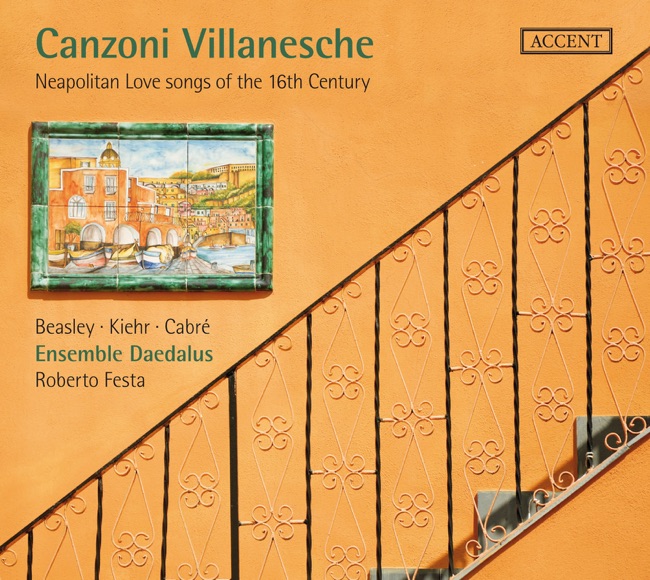
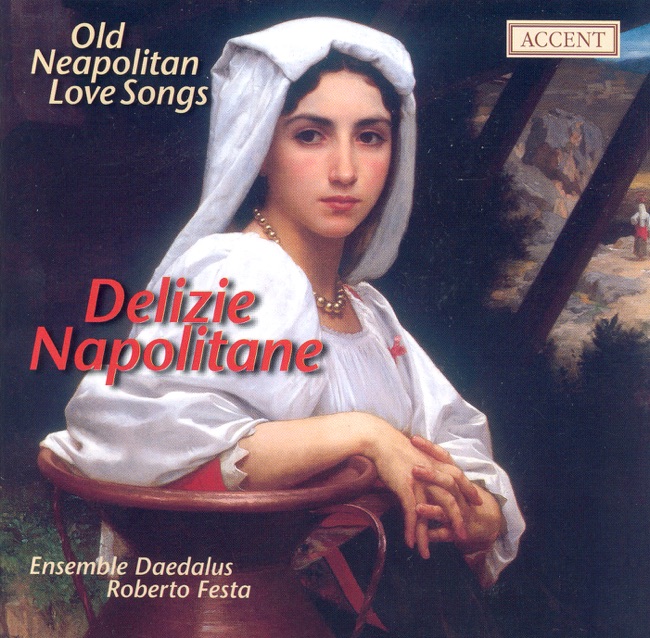
Works Info
Composer:Bernardo PasquiniGenre:ChamberStyle:Chamber MusicAverage_duration:2:41Bernardo Pasquini was an Italian composer, harpsichordist, and organist of the Baroque era. He was born in 1637 in Massa e Cozzile, Tuscany, and died in 1710 in Rome. Pasquini was a prolific composer, and his works include operas, oratorios, cantatas, and instrumental music. One of his most famous works is "A calascione," a set of variations for harpsichord. "A calascione" was composed in the late 17th century and is believed to have been written for the harpsichord. The piece is named after a type of bagpipe that was popular in Naples at the time. The manuscript for "A calascione" is held in the Biblioteca del Conservatorio in Naples, Italy. The piece is divided into six movements, each of which is a variation on a theme. The first movement is a simple statement of the theme, which is a lively and cheerful melody. The second movement is a variation in which the melody is played in the left hand while the right hand plays a series of arpeggios. The third movement is a slower variation in which the melody is played in the right hand while the left hand plays a series of chords. The fourth movement is a variation in which the melody is played in the left hand while the right hand plays a series of fast runs and trills. The fifth movement is a variation in which the melody is played in the right hand while the left hand plays a series of fast runs and trills. The final movement is a variation in which the melody is played in both hands simultaneously, with each hand playing a different variation of the theme. The characteristics of "A calascione" are typical of Baroque music. The piece is highly ornamented, with frequent use of trills, runs, and arpeggios. The variations are based on the same theme, but each variation is unique and showcases different techniques and styles. The piece is also highly virtuosic, requiring a skilled performer to execute the complex passages and ornamentation. "A calascione" premiered in the late 17th century, and it remains a popular piece for harpsichordists today. Its lively melody and intricate variations make it a challenging and rewarding piece to perform.More....
Works Music