Ludwig van Beethoven
Fugue for organ in D major, WoO 31
Released Album
Recent Album

Featured Album
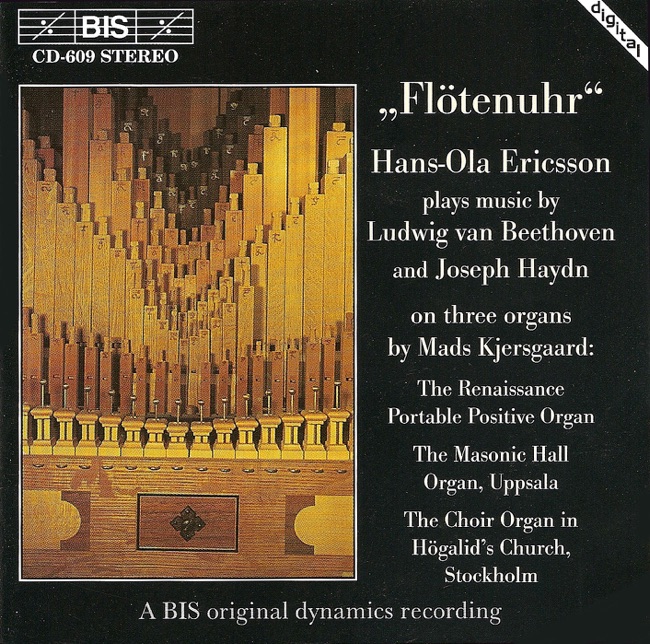
Works Info
Composer:Ludwig van BeethovenGenre:KeyboardStyle:FugueCompose Date:1783Average_duration:1:54Ludwig van Beethoven's Fugue for organ in D major, WoO 31, was composed in 1800 and premiered in the same year. The piece is a single movement work that showcases Beethoven's mastery of counterpoint and fugue writing. The fugue begins with a bold and majestic theme in the organ's pedal, which is then taken up by the manuals in a series of imitative entries. The theme is then developed and transformed throughout the piece, with Beethoven exploring a variety of different textures and harmonic progressions. One of the most striking characteristics of the fugue is its use of chromaticism, which adds a sense of tension and drama to the piece. Beethoven also employs a number of different contrapuntal techniques, such as inversion, augmentation, and diminution, to create a rich and complex musical texture. Despite its technical complexity, the fugue is also highly expressive, with Beethoven using the full range of the organ to create a wide range of moods and emotions. The piece builds to a powerful climax before resolving in a triumphant D major chord. Overall, Beethoven's Fugue for organ in D major, WoO 31, is a masterful example of fugue writing, showcasing the composer's technical skill and expressive range. Its bold and majestic theme, complex counterpoint, and use of chromaticism make it a compelling and rewarding work for both performers and listeners alike.More....
Works Music
Released Music


Featured Music