


Georg Philipp Telemann
Sonata for 2 recorders in B flat major, TWV 40:107
Released Album
Recent Album
Featured Album
Works Info
Composer:Georg Philipp TelemannGenre:ChamberStyle:SonataCompose Date:1728Publication Date:1728Average_duration:6:57Movement_count:4Movement ....Georg Philipp Telemann's Sonata for 2 recorders in B flat major, TWV 40:107, is a Baroque chamber music piece composed in the early 18th century. The exact date of composition is unknown, but it is believed to have been written between 1715 and 1720. The sonata is one of Telemann's most popular works for two recorders and is frequently performed in concerts and recitals. The sonata consists of four movements: Largo, Allegro, Largo, and Vivace. The first movement, Largo, is a slow and expressive introduction that sets the mood for the rest of the piece. The second movement, Allegro, is a lively and energetic dance that showcases the virtuosity of the two recorder players. The third movement, Largo, is another slow and contemplative section that provides a contrast to the previous movement. The final movement, Vivace, is a fast and joyful conclusion that brings the sonata to a satisfying close. The sonata is written in B flat major, a key that was popular in Baroque music for its bright and cheerful sound. The piece is characterized by its intricate counterpoint, with the two recorder parts weaving in and out of each other in a complex and harmonious dance. The sonata also features a variety of ornamentation, such as trills and turns, which add to the overall beauty and complexity of the piece. Overall, Telemann's Sonata for 2 recorders in B flat major, TWV 40:107, is a masterpiece of Baroque chamber music. Its intricate counterpoint, lively dance rhythms, and beautiful melodies make it a favorite among recorder players and audiences alike.More....
Works Music
Released Music
Featured Music
1
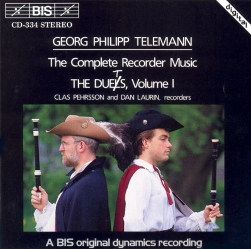
7:38
2
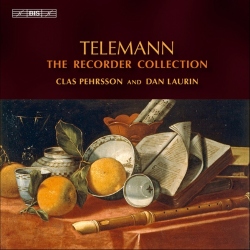
Sonata for 2 recorders in B flat major, TWV 40:107
Duetto (Sonata) in B flat major, TWV 40:107
7:38