


Georg Philipp Telemann
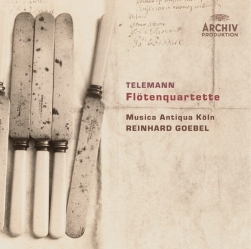
Quartet for flute, violin, bassoon & continuo in G major, TWV 43:G11
Released Album
Recent Album
Works Info
Composer:Georg Philipp TelemannGenre:ChamberStyle:Chamber MusicCompose Date:before 1768Average_duration:6:47Movement_count:4Movement ....Georg Philipp Telemann's Quartet for flute, violin, bassoon & continuo in G major, TWV 43:G11, was composed in the early 18th century. The exact date of composition is unknown, but it is believed to have been written between 1715 and 1720. The quartet is one of Telemann's most popular chamber works and is frequently performed today. The quartet consists of four movements: Allegro, Largo, Allegro, and Presto. The first movement, Allegro, is a lively and energetic piece that showcases the virtuosity of all four instruments. The second movement, Largo, is a slow and expressive piece that features the flute and violin in a duet. The third movement, Allegro, is another lively and energetic piece that features a playful dialogue between the instruments. The final movement, Presto, is a fast and lively piece that brings the quartet to a thrilling conclusion. One of the characteristics of Telemann's Quartet for flute, violin, bassoon & continuo in G major is its use of counterpoint. Telemann was a master of counterpoint, and this quartet features intricate and complex interplay between the four instruments. Another characteristic of the quartet is its use of ornamentation. Telemann was known for his use of ornamentation, and this quartet features many embellishments and flourishes that add to the overall beauty and complexity of the piece. The quartet premiered in the early 18th century, likely in Germany or France. It was well-received by audiences and quickly became one of Telemann's most popular chamber works. Today, it is still frequently performed and is considered a masterpiece of the Baroque era.More....
Works Music
Released Music
1
2:6
2

1:46
3
1:40