


Johann Paul von Westhoff
Suite for solo violin No. 4 in C major
Released Album
Recent Album
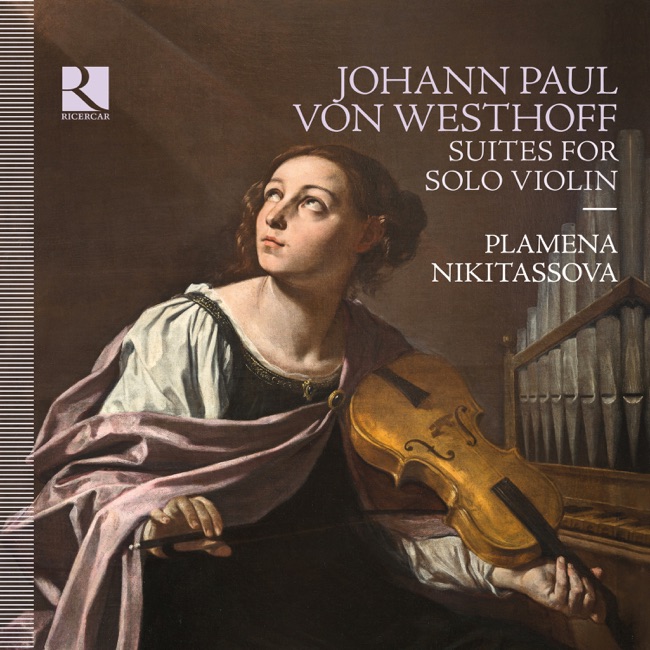
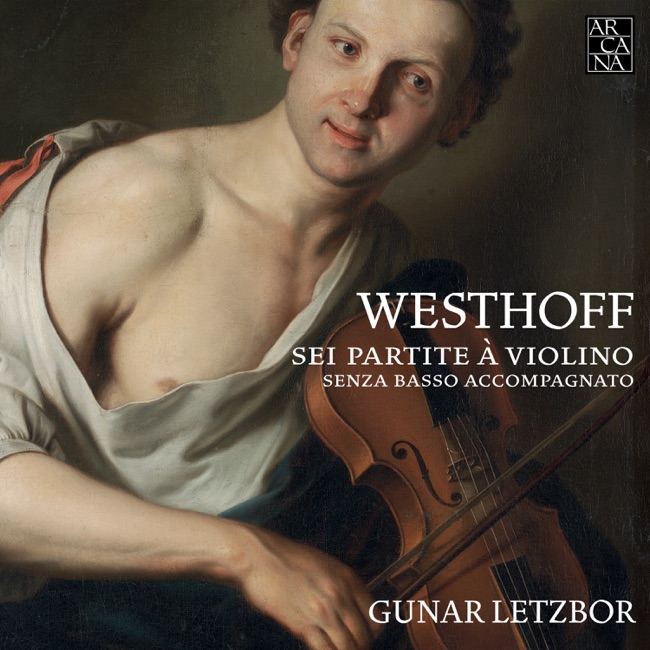
Works Info
Composer:Johann Paul von WesthoffGenre:ChamberStyle:Chamber MusicCompose Date:1697Average_duration:7:41Movement_count:4Movement ....Johann Paul von Westhoff's Suite for solo violin No. 4 in C major is a remarkable work of the Baroque era. It was composed in the late 17th century, around 1696, and is considered one of the earliest examples of a suite for solo violin. The piece consists of six movements, each with its own unique character and style. The suite opens with a prelude, which is a free-form introduction that sets the tone for the rest of the piece. It is followed by an allemande, a dance in moderate tempo that originated in Germany. The allemande is characterized by its flowing, graceful melody and its use of dotted rhythms. The third movement is a courante, a lively dance in triple meter that originated in France. The courante is characterized by its quick tempo and its use of syncopated rhythms. The fourth movement is a sarabande, a slow dance in triple meter that originated in Spain. The sarabande is characterized by its melancholic melody and its use of ornamentation. The fifth movement is a gigue, a lively dance in compound meter that originated in England. The gigue is characterized by its fast tempo and its use of imitative counterpoint. The suite concludes with a chaconne, a dance in triple meter that originated in Spain. The chaconne is characterized by its repeating harmonic progression and its use of variations on a theme. Overall, Westhoff's Suite for solo violin No. 4 in C major is a masterful work that showcases the technical and expressive capabilities of the violin. Its six movements each offer a unique glimpse into the diverse musical styles of the Baroque era, and its use of ornamentation, counterpoint, and harmonic progression make it a true masterpiece of the genre.More....
Works Music
Released Music
1
2:34
2
2:7
3
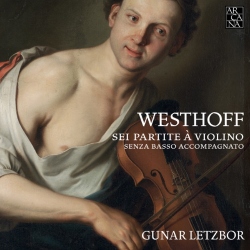
3:3
4
2:33
5
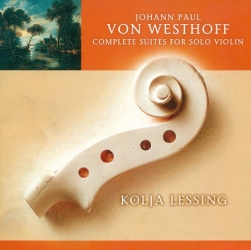
1:30
6
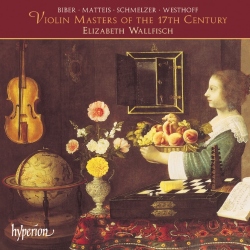
7:17