Percy Grainger
English Dance, for orchestra & organ
Released Album
Recent Album
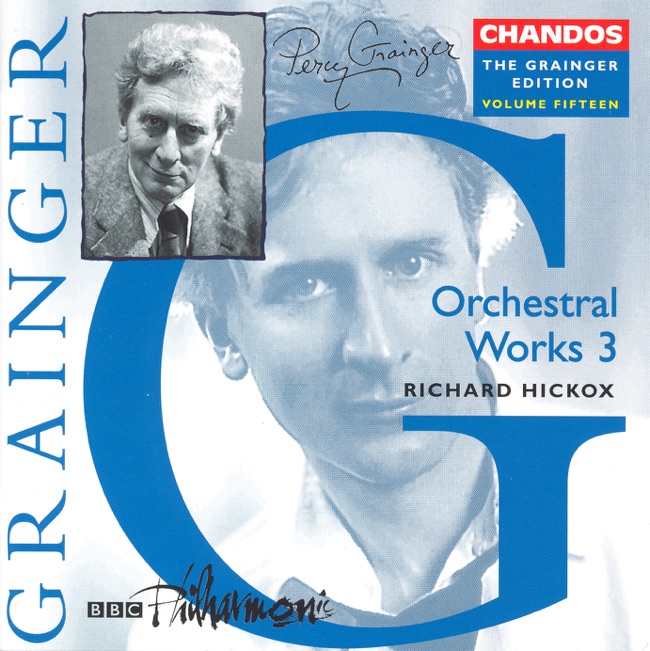
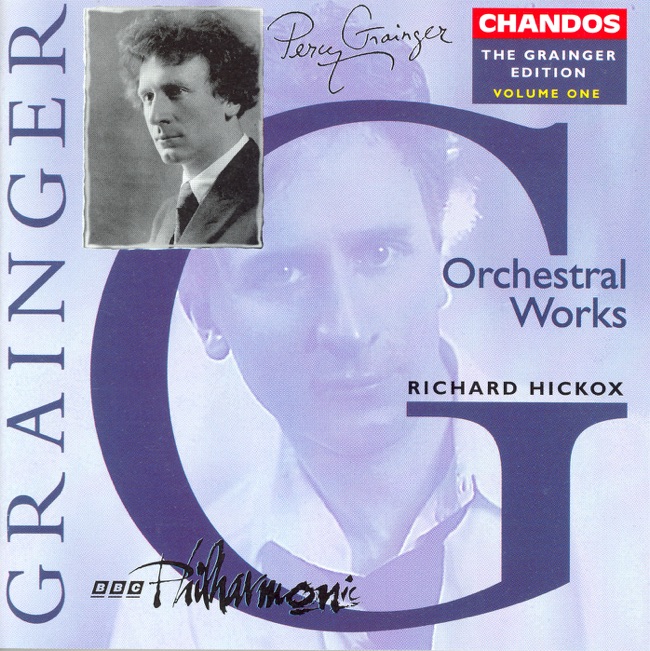
Works Info
Composer:Percy GraingerGenre:ConcertoStyle:ConcertoCompose Date:1899 - 1921Publication Date:1929Average_duration:9:30Percy Grainger's "English Dance, for orchestra & organ" was composed in 1901. The piece premiered on May 22, 1902, at the Queen's Hall in London, conducted by Henry Wood. The piece is divided into three movements, each with its own unique characteristics. The first movement, marked "Allegro," is a lively and energetic dance in 6/8 time. The melody is based on a traditional English folk tune, which Grainger arranged and orchestrated. The movement features a call-and-response structure, with the orchestra and organ trading off phrases. The use of the organ adds a rich, full sound to the piece, and Grainger makes full use of the instrument's capabilities, including its ability to sustain notes and create a sense of grandeur. The second movement, marked "Andantino," is a slower, more contemplative dance in 3/4 time. The melody is again based on a traditional English folk tune, but this time Grainger adds his own harmonies and counterpoint. The movement features a solo violin, which plays a haunting melody over the orchestra and organ accompaniment. The use of the solo violin adds a sense of intimacy and vulnerability to the piece. The third movement, marked "Allegro vivace," is a fast and lively dance in 2/4 time. The melody is based on a traditional English Morris dance tune, which Grainger again arranged and orchestrated. The movement features a driving rhythm and a sense of urgency, with the orchestra and organ playing off each other in a frenzied dance. The use of percussion adds to the sense of excitement, with the snare drum and tambourine driving the rhythm forward. Overall, "English Dance, for orchestra & organ" is a lively and engaging piece that showcases Grainger's skill as an arranger and orchestrator. The use of traditional English folk tunes gives the piece a sense of familiarity and nostalgia, while Grainger's unique harmonies and counterpoint add a sense of modernity and complexity. The use of the organ adds a sense of grandeur and richness to the piece, while the solo violin adds a sense of intimacy and vulnerability. The piece is a testament to Grainger's ability to blend traditional and modern elements into a cohesive and engaging whole.More....
Works Music