John Dowland
Lachrimae tristes
Released Album
Recent Album
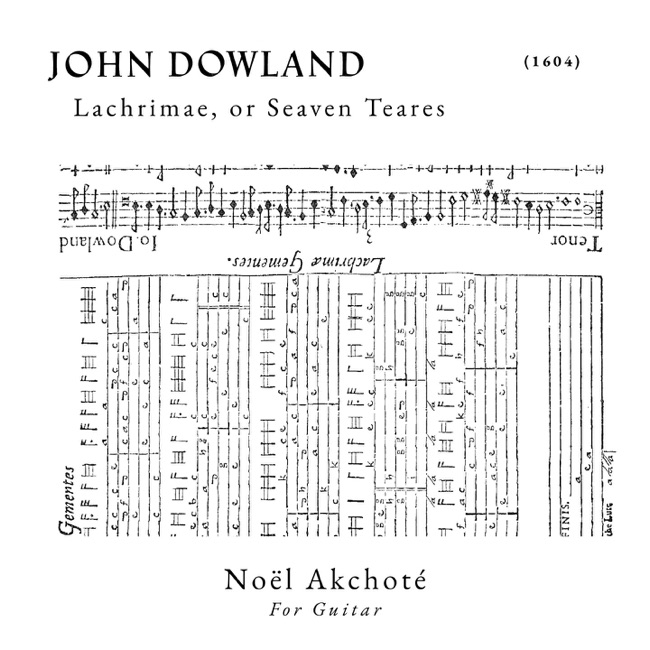



Featured Album


Works Info
Composer:John DowlandGenre:ChamberStyle:PavaneCompose Date:1604Publication Date:1604Average_duration:3:42'Lachrimae tristes' is a composition by the English Renaissance composer John Dowland. It was composed in the late 16th century and was first published in 1604. The piece is part of a collection of seven pavans and six galliards, collectively known as 'Lachrimae, or Seaven Teares'. The composition is in six movements, each with its own distinct character and mood. The first movement is a slow and mournful pavan, which sets the tone for the rest of the piece. The second movement is a lively galliard, which provides a contrast to the somber opening. The third movement is another pavan, which is more introspective and melancholic than the first. The fourth movement is a sprightly galliard, which is full of energy and vitality. The fifth movement is a slower and more contemplative pavan, which is marked by a sense of resignation and acceptance. The final movement is a lively and joyful galliard, which brings the piece to a triumphant close. The characteristics of 'Lachrimae tristes' are typical of Dowland's style, which is characterized by its melancholic and introspective nature. The piece is written for a consort of viols, which gives it a rich and sonorous sound. The use of chromaticism and dissonance adds to the sense of melancholy and longing that pervades the piece. The use of counterpoint and imitation is also a hallmark of Dowland's style, and is used to great effect in 'Lachrimae tristes'. Overall, 'Lachrimae tristes' is a masterpiece of Renaissance music, and is a testament to Dowland's skill as a composer. Its haunting melodies and intricate harmonies have made it a favorite of musicians and audiences alike for over four centuries.More....
Works Music
Released Music




Featured Music