


Georg Philipp Telemann
Sonata for violin, viola da gamba & continuo in E major, TWV 42:E6
Released Album
Recent Album
Works Info
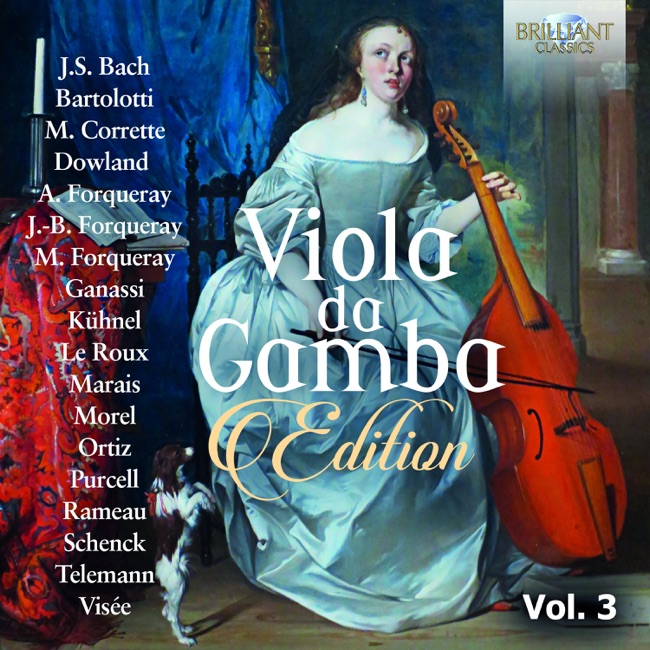
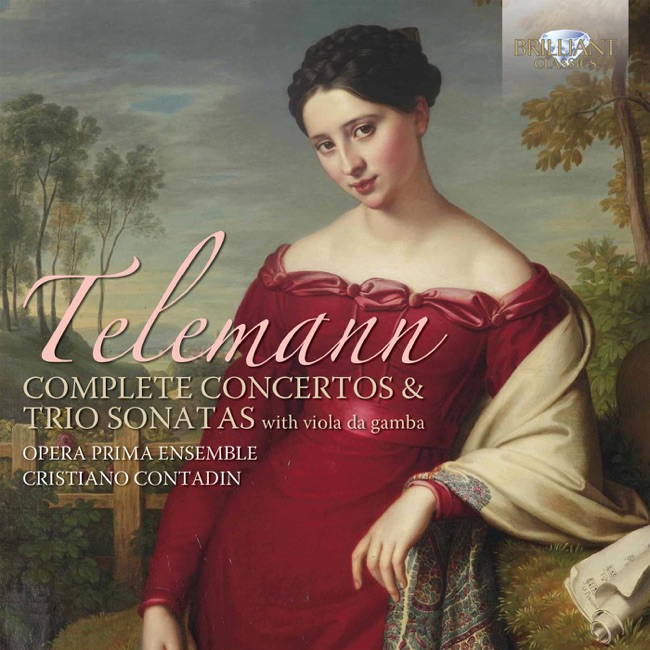
Composer:Georg Philipp TelemannGenre:ChamberCompose Date:1737-1742Publication Date:1927Average_duration:9:36Georg Philipp Telemann's Sonata for violin, viola da gamba & continuo in E major, TWV 42:E6, is a Baroque chamber music piece composed in the early 18th century. The exact date of composition is unknown, but it is believed to have been written between 1716 and 1721. The sonata is one of Telemann's most popular works and is frequently performed by chamber music ensembles. The sonata consists of four movements: Adagio, Allegro, Largo, and Allegro. The first movement, Adagio, is a slow and expressive introduction that sets the tone for the rest of the piece. The second movement, Allegro, is a lively and energetic dance-like movement that showcases the virtuosity of the violin and viola da gamba. The third movement, Largo, is a slow and melancholic movement that features a beautiful melody played by the violin and viola da gamba. The final movement, Allegro, is a fast and lively movement that brings the sonata to a thrilling conclusion. The sonata is characterized by its use of counterpoint, which is the technique of combining multiple melodies to create a complex and harmonious sound. Telemann's use of counterpoint in this sonata is particularly impressive, as he seamlessly weaves together the melodies of the violin and viola da gamba to create a rich and textured sound. The sonata also features a strong sense of rhythm and a lively, dance-like quality that is typical of Baroque music. Overall, Telemann's Sonata for violin, viola da gamba & continuo in E major, TWV 42:E6, is a beautiful and engaging piece of chamber music that showcases the composer's skill and creativity. Its popularity among musicians and audiences alike is a testament to its enduring appeal and timeless beauty.More....
Works Music
Released Music
1
9:37
2
Sonata for violin, viola da gamba & continuo in E major, TWV 42:E6
Sonata-Concerto in E TWV42:E6 for violin, viola da gamba&b.c.
9:37