Louis Couperin
Fugue for organ (L'oeuvre d'orgue, No. 17)
Released Album
Recent Album
Works Info
Composer:Louis CouperinGenre:KeyboardStyle:FugueCompose Date:Sep 20, 1656Average_duration:2:10Louis Couperin was a French Baroque composer and organist who lived from 1626 to 1661. He was a member of a famous musical family, which included his cousin, the more famous François Couperin. Louis Couperin's Fugue for organ, also known as L'oeuvre d'orgue, No. 17, is one of his most well-known works. The Fugue for organ was composed in the mid-17th century, during the Baroque period. It was likely written for use in church services, as organ music was an important part of religious ceremonies during this time. The piece is written for solo organ and is in the key of G minor. The Fugue for organ is made up of four movements, each with its own distinct character. The first movement is a prelude, which sets the tone for the rest of the piece. It is slow and contemplative, with a mournful melody that is played in the left hand while the right hand provides a simple accompaniment. The second movement is the fugue itself. A fugue is a type of composition in which a theme is introduced and then repeated and developed by different voices. In this case, the theme is introduced by the organ's pedals and is then taken up by the hands. The theme is then repeated and developed throughout the rest of the movement, with each voice taking turns playing it. The third movement is a brief interlude, which provides a moment of respite before the final movement. It is a simple and gentle melody that is played in the right hand while the left hand provides a simple accompaniment. The final movement is a toccata, which is a type of composition that is characterized by its fast and virtuosic passages. In this case, the toccata is played in G minor and is full of rapid arpeggios and runs. It is a thrilling and energetic conclusion to the piece. Overall, the Fugue for organ is a beautiful and complex work that showcases Louis Couperin's skill as a composer and organist. Its four movements each have their own distinct character, but they work together to create a cohesive and satisfying whole.More....
Works Music
Released Music
1
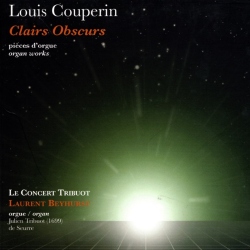
2:20
2
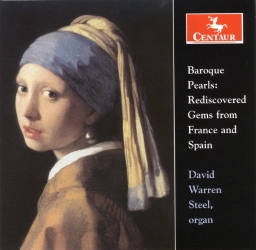
1:53