Loyset Compere
Paranimphus salutat virginem
Released Album
Recent Album
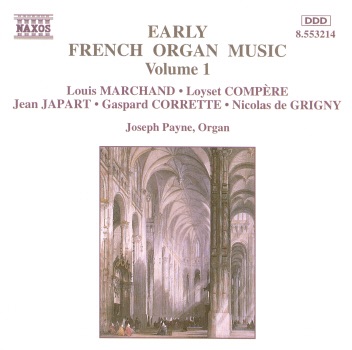
Featured Album
Works Info
Composer:Loyset CompereGenre:MiscellaneousStyle:MiscellaneousAverage_duration:3:05Loyset Compere was a Franco-Flemish composer of the Renaissance period. He was born in Hainaut, Belgium, around 1445 and died in Cambrai, France, in 1518. He was a prolific composer of both sacred and secular music, and his works were widely performed throughout Europe during his lifetime. One of Compere's most famous works is his motet "Paranimphus salutat virginem," which was composed in the late 15th century. The piece is a setting of a Latin text that celebrates the Virgin Mary as the bride of Christ. The title of the motet translates to "The Bridegroom's Attendant Greets the Virgin." The motet is written for four voices, and it is divided into three movements. The first movement is a homophonic setting of the text, with all four voices singing together in harmony. The second movement is a polyphonic setting, with each voice singing a different melody that weaves in and out of the others. The third movement returns to a homophonic texture, with all four voices singing together once again. One of the most striking characteristics of "Paranimphus salutat virginem" is its use of dissonance. Compere was known for his bold and experimental harmonies, and this motet is no exception. The piece is full of unexpected chord progressions and clashes of dissonant intervals, which create a sense of tension and drama. Another notable feature of the motet is its use of word painting. Compere was a master of setting text to music in a way that emphasized the meaning of the words. For example, in the second movement, the word "gaudium" (joy) is set to a bright, lively melody, while the word "tristitia" (sadness) is set to a mournful, descending line. "Paranimphus salutat virginem" was likely composed for a special occasion, such as a wedding or a religious festival. Its intricate harmonies and expressive text setting make it a masterpiece of Renaissance choral music, and it continues to be performed and admired by musicians and audiences today.More....
Works Music