Orlando Gibbons
Prelude on the 3rd tone, MB1
Released Album
Recent Album
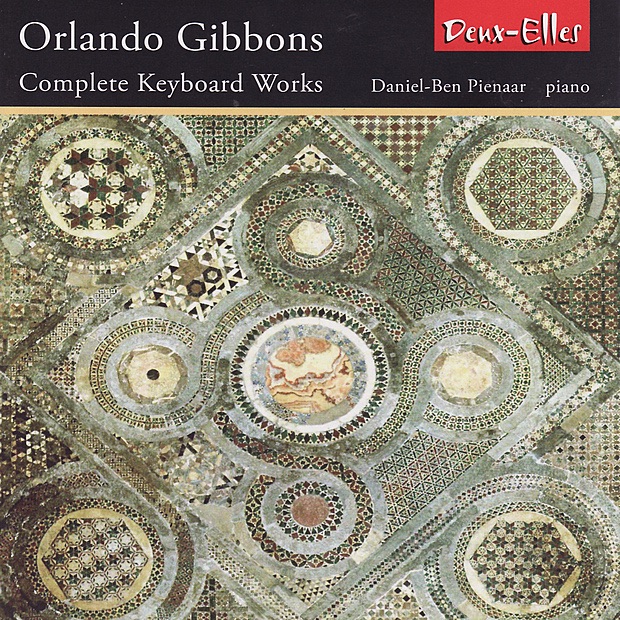
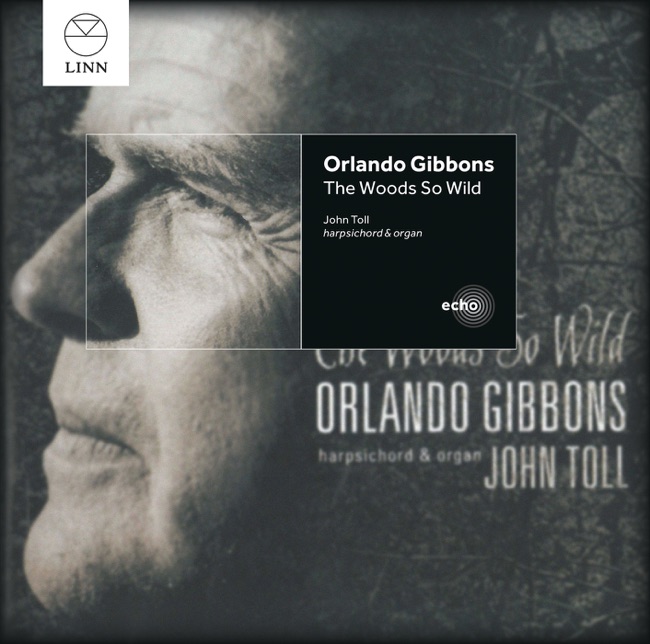
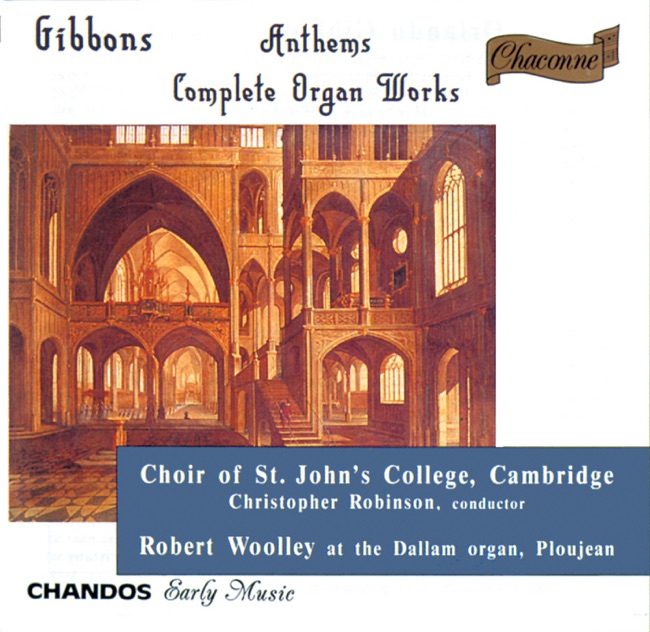
Works Info
Composer:Orlando GibbonsGenre:KeyboardStyle:PreludeAverage_duration:1:53Orlando Gibbons was an English composer and organist who lived from 1583 to 1625. He was a prominent figure in the English Renaissance and is known for his contributions to sacred and secular music. One of his most famous works is the "Prelude on the 3rd tone, MB1," which was composed for the organ. The "Prelude on the 3rd tone, MB1" was composed in the early 17th century and was likely premiered during one of Gibbons' performances as an organist. The piece is a prelude, which means that it is an introductory piece that sets the mood for a larger work or performance. The prelude is written in the third tone, which is a musical mode that was commonly used in the Renaissance period. The "Prelude on the 3rd tone, MB1" is divided into three movements, each of which has its own distinct characteristics. The first movement is slow and contemplative, with a simple melody that is played in the right hand while the left hand provides a steady accompaniment. The second movement is faster and more lively, with a more complex melody that is played in both hands. The third movement is a return to the slower tempo of the first movement, with a more elaborate melody that is played in the right hand while the left hand provides a more intricate accompaniment. One of the characteristics of the "Prelude on the 3rd tone, MB1" is its use of counterpoint, which is a technique in which two or more melodies are played simultaneously. Gibbons was known for his skill in counterpoint, and this piece is a good example of his mastery of the technique. Another characteristic of the piece is its use of ornamentation, which is a common feature of Renaissance music. The melody is often embellished with trills, turns, and other decorative elements that add to the overall beauty of the piece. Overall, the "Prelude on the 3rd tone, MB1" is a beautiful and complex piece of music that showcases Gibbons' skill as a composer and organist. Its use of counterpoint and ornamentation make it a classic example of Renaissance music, and it continues to be performed and enjoyed by musicians and audiences today.More....
Works Music