


Charles-Marie Widor
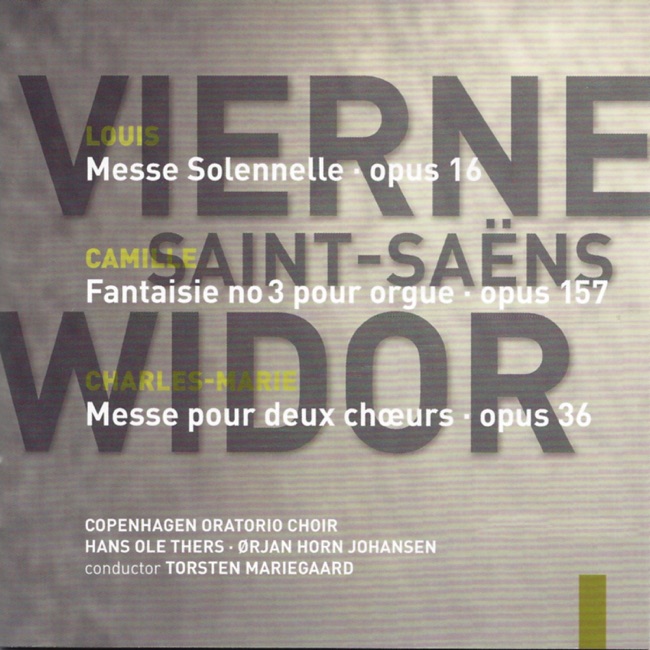
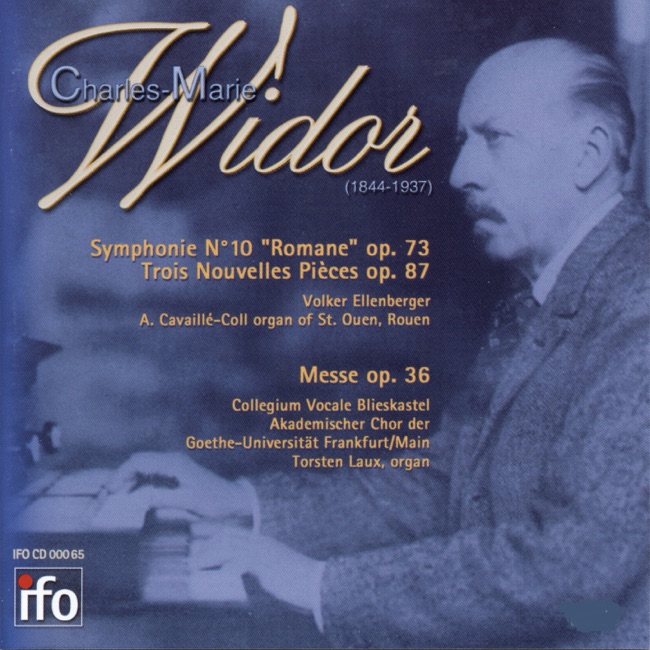
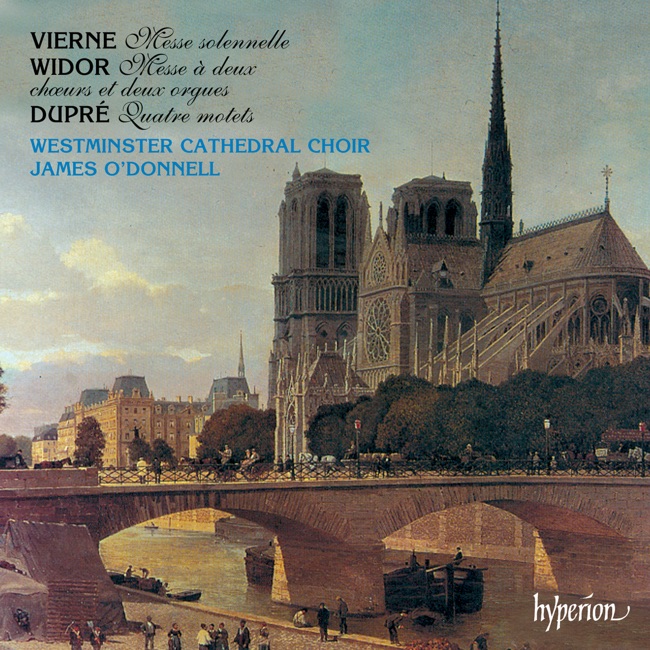
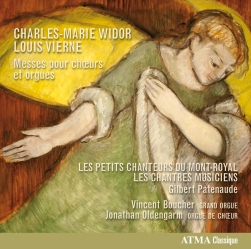
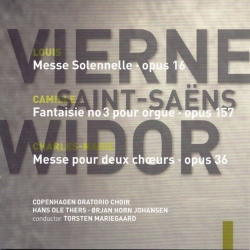
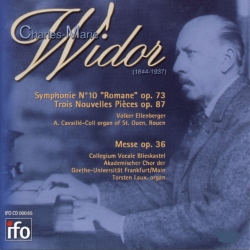
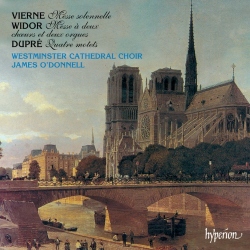
Mass, for double choir & 2 organs, Op. 36
Released Album
Recent Album
-
-
-
-
-
-
 Various ArtistsJune 10, 2002
 -
Works Info
Composer:Charles-Marie WidorGenre:ChoralStyle:MassCompose Date:ca. 1890Average_duration:15:28Movement_count:5Movement ....Charles-Marie Widor's Mass for double choir and two organs, Op. 36, was composed in 1900 and premiered on February 17, 1901, at the Church of Saint-Sulpice in Paris. The Mass is divided into six movements: Kyrie, Gloria, Credo, Sanctus, Benedictus, and Agnus Dei. The Mass is characterized by its grandeur and complexity, with Widor utilizing the full range of the double choir and two organs to create a rich and powerful sound. The Kyrie begins with a solemn and prayerful melody, which is then taken up by the second choir in a more elaborate and ornate fashion. The Gloria is a jubilant and celebratory movement, with the two choirs and organs interweaving in a complex and intricate manner. The Credo is the longest movement of the Mass, and is marked by its dramatic shifts in mood and texture. The Sanctus is a majestic and awe-inspiring movement, with the two choirs and organs building to a powerful climax. The Benedictus is a more subdued and introspective movement, with the two choirs and organs weaving together in a delicate and intricate manner. The final movement, the Agnus Dei, is marked by its plaintive and mournful melody, which is then taken up by the second choir in a more elaborate and ornate fashion. The Mass concludes with a powerful and triumphant final chord, bringing the work to a close in a blaze of glory. Overall, Widor's Mass for double choir and two organs, Op. 36, is a masterpiece of choral and organ music, showcasing the composer's skill and mastery of these two instruments. Its grandeur, complexity, and power make it a true tour de force of the genre, and a testament to Widor's enduring legacy as one of the greatest composers of his time.More....
Works Music
Released Music
2
3:47
4
2:56
5
3:48
6
3:32
7
4:11