Franz Liszt
Totentanz, for piano, S. 525
Released Album
Recent Album





Featured Album
Works Info
Composer:Franz LisztGenre:KeyboardStyle:Tone PoemCompose Date:1865Publication Date:1865Average_duration:15:37Franz Liszt's Totentanz, for piano, S. 525, is a macabre and haunting work that was composed in 1849. The piece was premiered in Berlin in 1853, with Liszt himself performing the solo piano part. Totentanz, which translates to "Dance of Death," is a set of variations on the medieval chant "Dies irae," which is traditionally associated with the Day of Judgment. The piece is divided into ten movements, each of which depicts a different character or scene from the Dance of Death. The first movement, "Praeludium," sets the stage for the piece with a dark and ominous introduction. The second movement, "Totentanz," is the main theme of the piece, and features a series of variations on the "Dies irae" chant. The third movement, "Variation 1," is a virtuosic display of piano technique, with rapid runs and arpeggios. The fourth movement, "Variation 2," is a more subdued and introspective variation, featuring a lyrical melody in the right hand. The fifth movement, "Variation 3," is a scherzo-like variation, with a playful and mischievous character. The sixth movement, "Variation 4," is a dark and brooding variation, with a heavy emphasis on the lower register of the piano. The seventh movement, "Variation 5," is a virtuosic tour-de-force, with rapid-fire runs and arpeggios that showcase the pianist's technical prowess. The eighth movement, "Variation 6," is a more introspective variation, with a haunting melody in the right hand and a somber accompaniment in the left. The ninth movement, "Variation 7," is a lively and energetic variation, with a playful character that contrasts with the darker themes of the piece. The final movement, "Choral," brings the piece to a close with a solemn and majestic hymn, which serves as a reminder of the inevitability of death and the need for repentance. Overall, Totentanz is a powerful and evocative work that showcases Liszt's mastery of the piano and his ability to create vivid musical images. The piece is characterized by its dark and brooding atmosphere, its virtuosic piano writing, and its use of the "Dies irae" chant as a unifying theme.More....
Works Music
Released Music


3
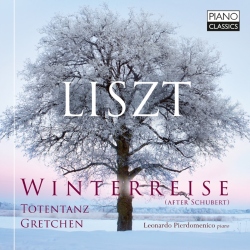
15:13


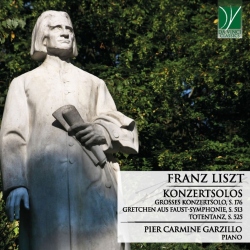
9

15:18
Featured Music