Giovanni Gabrieli
Fuga del nono tono
Released Album
Recent Album

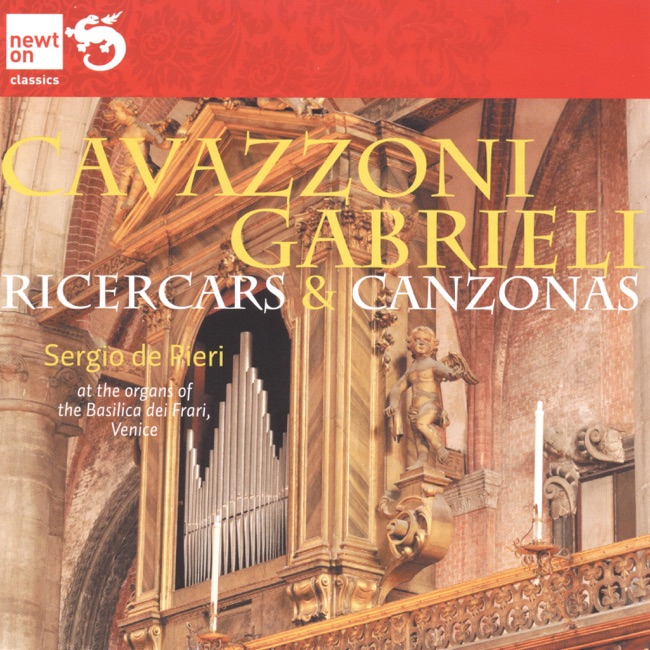
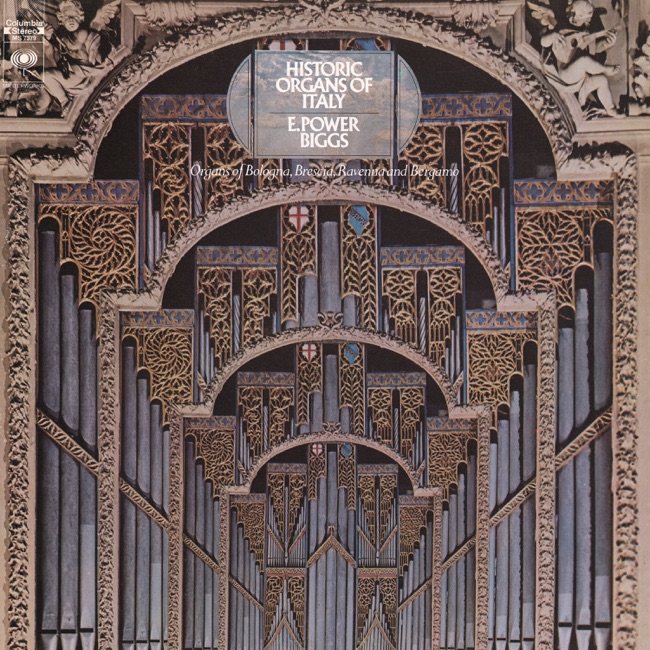
Featured Album
Works Info
Composer:Giovanni GabrieliGenre:KeyboardStyle:FugueAverage_duration:2:50Giovanni Gabrieli was a prominent Italian composer of the late Renaissance period. He was born in Venice in 1557 and died in 1612. Gabrieli was known for his innovative use of multiple choirs and instrumental groups, which he used to create a rich and complex sound. One of Gabrieli's most famous works is the "Fuga del nono tono," which translates to "Fugue in the Ninth Tone." This piece was composed for eight voices and was first performed in Venice in the late 16th century. The "Fuga del nono tono" is a four-movement work that showcases Gabrieli's mastery of counterpoint and his ability to create complex and intricate musical textures. The first movement is a fugue in which the eight voices are divided into two choirs. The second movement is a canzona, which is a type of instrumental piece that was popular in the Renaissance period. The third movement is another fugue, this time with the voices divided into three choirs. The final movement is a sonata, which is a type of instrumental piece that was popular in the Baroque period. One of the characteristics of the "Fuga del nono tono" is its use of multiple choirs and instrumental groups. Gabrieli was one of the first composers to use this technique, which became known as the Venetian polychoral style. This style was characterized by the use of multiple choirs and instrumental groups that were placed in different parts of the church or performance space. This created a rich and complex sound that was unlike anything that had been heard before. Another characteristic of the "Fuga del nono tono" is its use of counterpoint. Counterpoint is the technique of combining two or more melodic lines in a way that creates a harmonious whole. Gabrieli was a master of counterpoint, and this is evident in the intricate and complex textures of the "Fuga del nono tono." Overall, the "Fuga del nono tono" is a masterpiece of Renaissance music. It showcases Gabrieli's innovative use of multiple choirs and instrumental groups, as well as his mastery of counterpoint. This piece has stood the test of time and is still performed and admired by musicians and music lovers today.More....
Works Music
Released Music
6
3:27
Featured Music