John Dowland
Galliard in F minor, P 76
Released Album
Recent Album
Featured Album
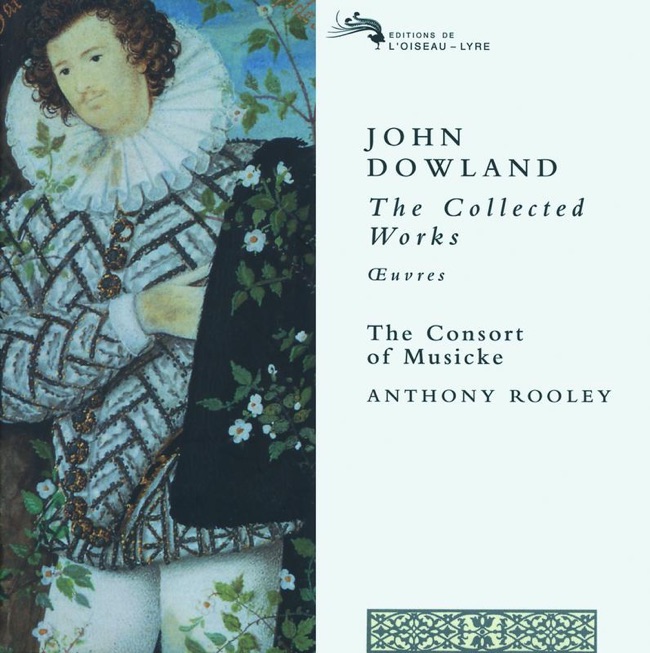
Works Info
Composer:John DowlandGenre:ChamberStyle:GalliardAverage_duration:1:49John Dowland was an English Renaissance composer, lutenist, and singer who lived from 1563 to 1626. He is known for his melancholic and introspective music, which often dealt with themes of love, loss, and death. One of his most famous works is the "Galliard in F minor, P 76," a piece for solo lute. The "Galliard in F minor, P 76" was composed by Dowland in the late 16th century, during the Elizabethan era. It is believed to have been written around the same time as his other famous lute works, such as "Lachrimae" and "Frog Galliard." The piece is in the key of F minor and is written in a galliard rhythm, which was a popular dance form in Renaissance Europe. The "Galliard in F minor, P 76" is divided into three main sections or movements. The first section is marked "Allegro," and it features a lively and energetic melody that is played in a fast tempo. The second section is marked "Adagio," and it is a slower and more contemplative section that features a more introspective melody. The final section is marked "Allegro," and it returns to the fast and lively tempo of the first section. One of the characteristics of the "Galliard in F minor, P 76" is its use of counterpoint, which is a technique where two or more melodies are played simultaneously. Dowland was known for his skillful use of counterpoint, and this piece is no exception. The piece also features a number of intricate and virtuosic passages, which would have showcased the lutenist's technical abilities. Overall, the "Galliard in F minor, P 76" is a beautiful and complex piece of music that showcases Dowland's skill as a composer and lutenist. Its use of counterpoint, intricate passages, and galliard rhythm make it a quintessential example of Renaissance music.More....
Works Music