Pierre de Manchicourt
Jubilate Deo
Released Album
Recent Album
Works Info
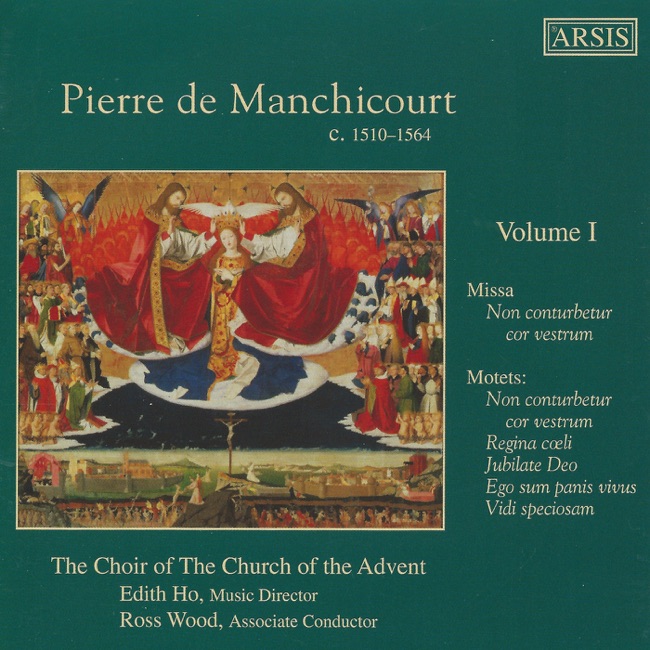
Composer:Pierre de ManchicourtGenre:ChoralStyle:ChoralAverage_duration:6:43Jubilate Deo is a choral work composed by Pierre de Manchicourt, a Franco-Flemish composer of the Renaissance era. The piece was composed in the late 16th century, around 1560, and was first performed in the Chapel Royal of King Philip II of Spain in Madrid. Jubilate Deo is a motet, a type of choral composition that was popular during the Renaissance. It is written for four voices, with each voice part singing different melodies that combine to create a rich and complex texture. The piece is divided into three movements, each with its own distinct character and mood. The first movement is marked "Allegro" and is characterized by its lively and joyful tempo. The voices enter one by one, building up to a full and vibrant sound. The text of the movement is taken from Psalm 100, which begins with the words "Jubilate Deo omnis terra" (Make a joyful noise unto the Lord, all ye lands). The second movement is marked "Adagio" and is much slower and more contemplative than the first. The voices sing in a more homophonic style, with all four parts moving together in harmony. The text of this movement is taken from Psalm 67, which begins with the words "Deus misereatur nostri" (God be merciful unto us). The final movement is marked "Allegro" and is similar in character to the first. The voices sing in a more contrapuntal style, with each part weaving in and out of the others. The text of this movement is taken from Psalm 66, which begins with the words "Jubilate Deo universa terra" (Make a joyful noise unto God, all ye lands). Overall, Jubilate Deo is a lively and joyful piece of music that showcases Manchicourt's skill as a composer. Its use of different vocal parts and complex harmonies make it a challenging piece for choirs to perform, but also a rewarding one. It remains a popular piece of Renaissance choral music to this day.More....
Works Music