Johann Strauss I
Najaden-Quadrille, Op. 206
Released Album
Recent Album
Works Info
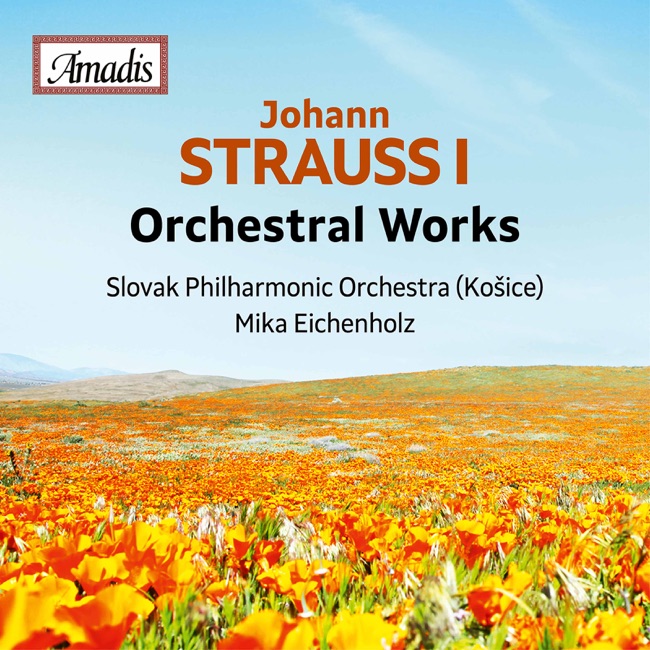
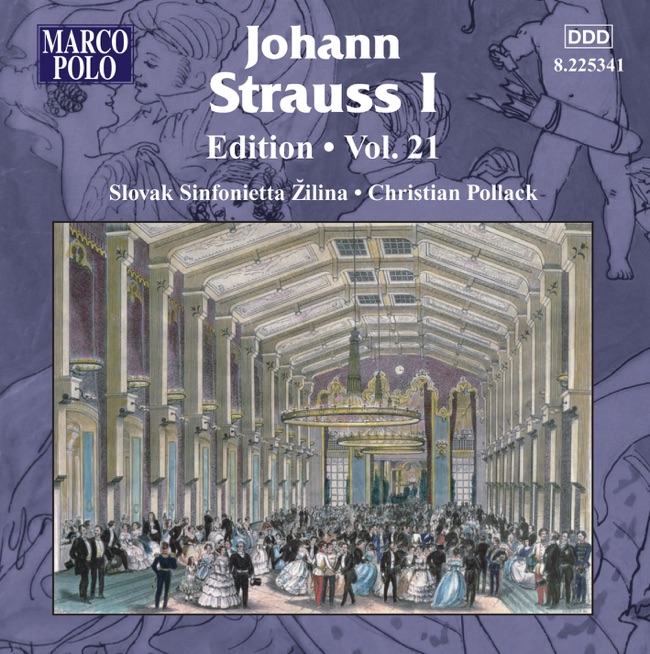
Composer:Johann Strauss IGenre:OrchestralStyle:QuadrilleCompose Date:1847Average_duration:5:49Johann Strauss I, the Austrian composer, is known for his numerous waltzes, polkas, and quadrilles. One of his lesser-known works is the Najaden-Quadrille, Op. 206, which was composed in 1844. The piece was premiered on February 4, 1844, at the Sperl Ballroom in Vienna. The Najaden-Quadrille is a set of five movements, each of which is named after a water nymph from Greek mythology. The first movement is called "Thetis," the second "Galatea," the third "Amphitrite," the fourth "Doris," and the fifth "Najade." The piece is scored for a standard quadrille ensemble, which includes two violins, a viola, a cello, a double bass, a flute, a clarinet, a bassoon, a horn, and a trumpet. The Najaden-Quadrille is characterized by its lively and energetic melodies, which are typical of Strauss's dance music. The first movement, "Thetis," begins with a fanfare-like introduction, followed by a lively dance tune. The second movement, "Galatea," is more lyrical and features a beautiful melody played by the flute. The third movement, "Amphitrite," is a fast and lively dance, with a catchy melody played by the clarinet. The fourth movement, "Doris," is a slower and more romantic piece, with a beautiful melody played by the violins. The final movement, "Najade," is a fast and energetic dance, with a lively melody played by the entire ensemble. The piece ends with a rousing coda, bringing the Najaden-Quadrille to a thrilling conclusion. Overall, the Najaden-Quadrille is a delightful and charming piece of music, showcasing Strauss's talent for composing dance music. While it may not be as well-known as some of his other works, it is still a wonderful example of his musical style and a testament to his enduring legacy as one of the greatest composers of the 19th century.More....
Works Music