Georg Ignaz (Jirí Ignác) Linek
Sinfonia pastoralis in C major
Released Album
Recent Album
Works Info
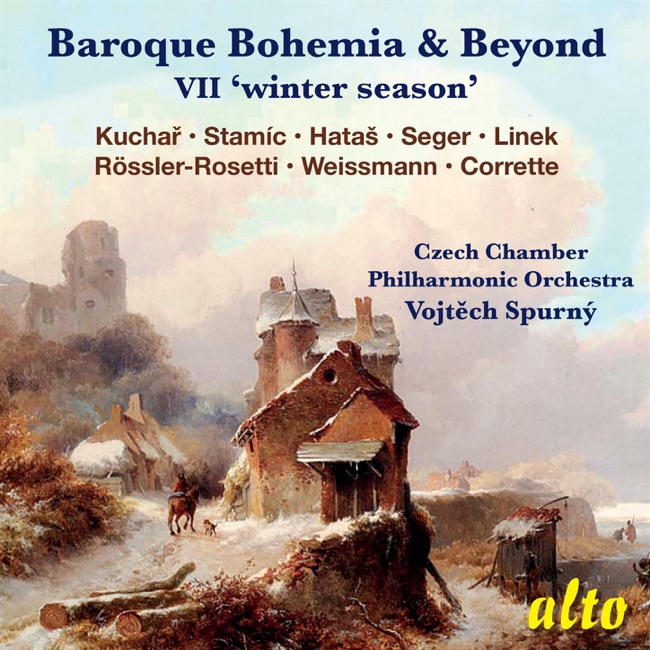
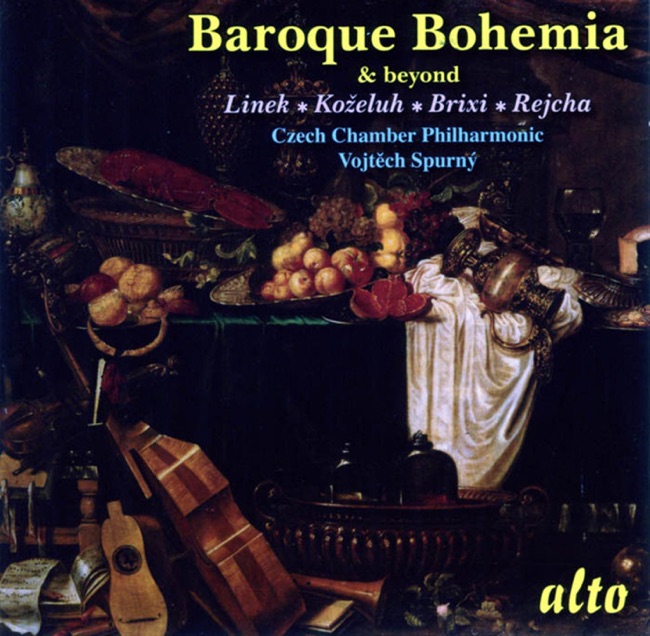
Composer:Georg Ignaz (Jirí Ignác) LinekGenre:SymphonyStyle:SymphonyAverage_duration:14:01Movement_count:3Movement ....Georg Ignaz (Jirí Ignác) Linek was a Czech composer who lived from 1725 to 1791. He was a prolific composer of instrumental and vocal music, and his works were widely performed during his lifetime. One of his most famous works is the Sinfonia pastoralis in C major, which was composed in the mid-18th century. The Sinfonia pastoralis in C major is a four-movement work for orchestra. It was composed in the style of the Baroque period, but it also contains elements of the emerging Classical style. The work is characterized by its pastoral themes and its use of natural imagery. The first movement of the Sinfonia pastoralis in C major is marked Allegro and is in sonata form. It begins with a lively theme played by the strings, which is then developed and expanded upon throughout the movement. The second theme is more lyrical and is played by the woodwinds. The movement ends with a recapitulation of the main themes. The second movement is marked Andante and is in ternary form. It is a slow, lyrical movement that features a solo oboe playing a pastoral melody. The strings provide a gentle accompaniment, and the movement ends with a return to the opening theme. The third movement is marked Menuetto and Trio and is in minuet form. It is a lively dance that features a playful melody played by the strings. The trio section is more subdued and features a melody played by the woodwinds. The final movement is marked Allegro and is in rondo form. It is a lively, energetic movement that features a recurring theme played by the strings. The woodwinds provide a counterpoint to the strings, and the movement ends with a triumphant restatement of the main theme. Overall, the Sinfonia pastoralis in C major is a charming and delightful work that showcases Linek's skill as a composer. Its pastoral themes and natural imagery make it a perfect example of the Baroque style, while its use of sonata and rondo forms foreshadows the emerging Classical style. The work premiered in the mid-18th century and has remained popular with audiences ever since.More....
Works Music
Released Music