Gerald Finzi
Till Earth Outwears, Op. 19
Released Album
Recent Album

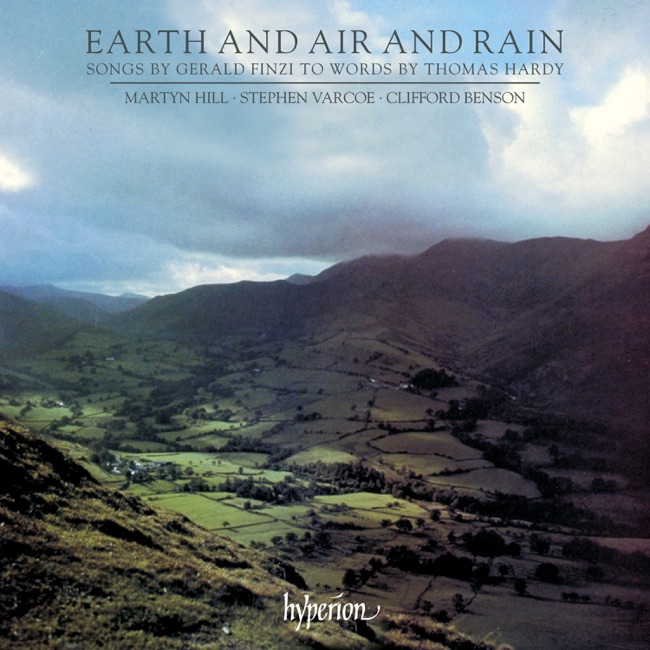

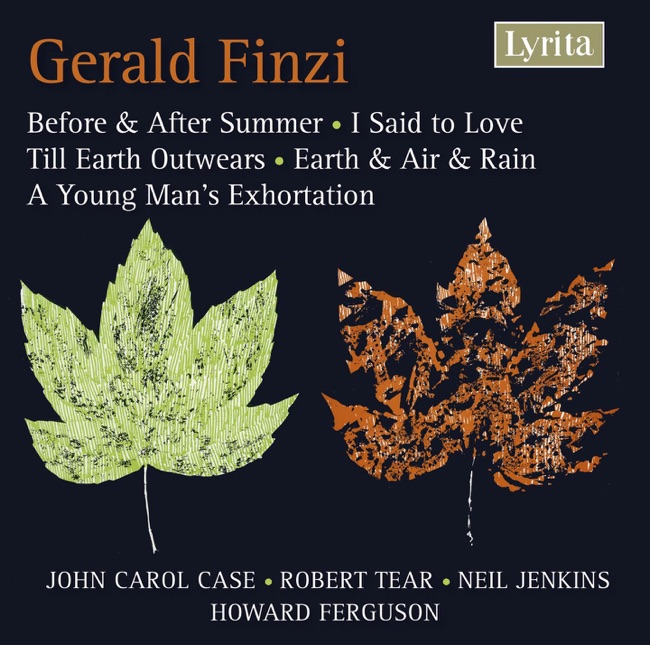
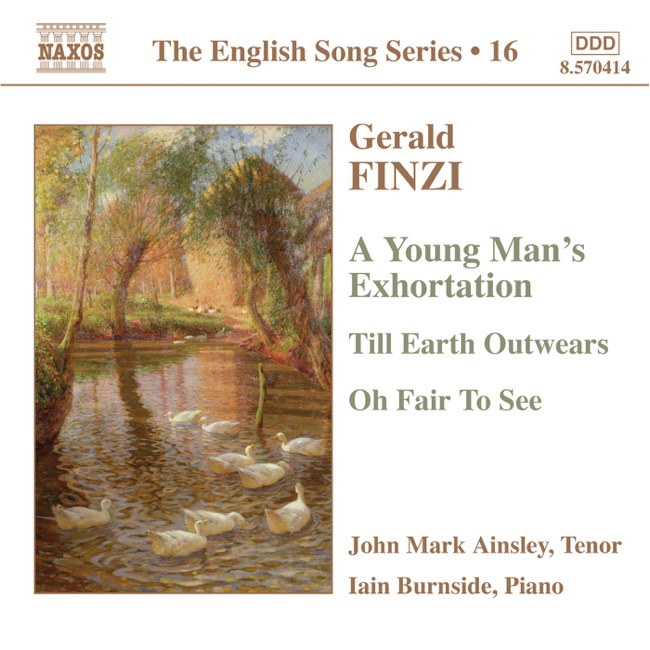
Works Info
Composer:Gerald FinziGenre:VocalStyle:Vocal MusicCompose Date:1927 - 1956Average_duration:16:51Movement_count:7Movement ....'Till Earth Outwears, Op. 19' is a song cycle composed by Gerald Finzi, a British composer, in 1945. The premiere of the work was given by the tenor Wilfred Brown and the pianist Howard Ferguson in London on 17th October 1946. The song cycle consists of nine songs, each of which is based on a poem by a different poet. The poems are taken from a variety of sources, including the Bible, Shakespeare, and contemporary poets such as Thomas Hardy and Robert Bridges. The first movement, "Let me enjoy the earth," is a setting of a poem by Thomas Hardy. The music is gentle and lyrical, with a flowing piano accompaniment that supports the vocal line. The second movement, "In years defaced," is a setting of a poem by Robert Bridges. The music is more somber and introspective, with a slower tempo and a more complex piano accompaniment. The third movement, "The market-girl," is a setting of a poem by John Masefield. The music is lively and energetic, with a jaunty piano accompaniment that reflects the playful nature of the poem. The fourth movement, "I look into my glass," is a setting of a poem by Thomas Hardy. The music is melancholy and introspective, with a slow tempo and a simple piano accompaniment that supports the vocal line. The fifth movement, "It never looks like summer," is a setting of a poem by John Clare. The music is gentle and pastoral, with a flowing piano accompaniment that evokes the natural world described in the poem. The sixth movement, "At a lunar eclipse," is a setting of a poem by Richard Watson Dixon. The music is mysterious and atmospheric, with a slow tempo and a complex piano accompaniment that creates a sense of otherworldliness. The seventh movement, "Life laughs onward," is a setting of a poem by Robert Bridges. The music is lively and energetic, with a jaunty piano accompaniment that reflects the playful nature of the poem. The eighth movement, "The unquiet grave," is a setting of a traditional folk song. The music is haunting and melancholy, with a slow tempo and a simple piano accompaniment that supports the vocal line. The final movement, "Since we loved," is a setting of a poem by Robert Bridges. The music is gentle and lyrical, with a flowing piano accompaniment that supports the vocal line. The song cycle as a whole is characterized by its lyrical melodies, sensitive piano accompaniments, and the variety of moods and emotions it evokes. It is a testament to Finzi's skill as a composer and his ability to capture the essence of each poem in his music.More....
Works Music
Released Music