Giovanni Pierluigi da Palestrina
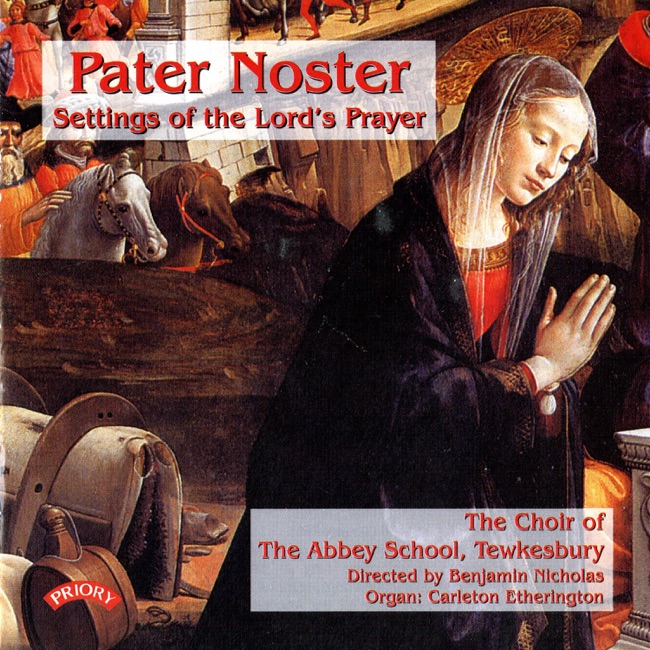
Pater noster
Released Album
Recent Album
Works Info
Composer:Giovanni Pierluigi da PalestrinaGenre:ChoralStyle:MotetAverage_duration:3:52Giovanni Pierluigi da Palestrina was a prominent Italian composer of the Renaissance period, known for his sacred music compositions. One of his most famous works is the 'Pater noster', a setting of the Lord's Prayer in Latin. The 'Pater noster' was composed in the late 16th century, during Palestrina's tenure as maestro di cappella at the Basilica of St. John Lateran in Rome. It is believed to have been written for the Sistine Chapel choir, which was renowned for its high level of musical excellence. The 'Pater noster' is a six-part motet, with each voice part singing a different melody that weaves together to create a rich and complex texture. The piece is divided into three movements, each of which corresponds to a different section of the Lord's Prayer. The first movement, "Pater noster qui es in caelis" ("Our Father who art in heaven"), is characterized by a soaring melody in the soprano voice, which is supported by a gentle and flowing accompaniment in the lower voices. The second movement, "Sanctificetur nomen tuum" ("Hallowed be thy name"), is more subdued, with a slower tempo and a more contemplative mood. The final movement, "Et ne nos inducas in tentationem" ("And lead us not into temptation"), is the most dramatic of the three, with a powerful and urgent melody that builds to a climactic conclusion. Overall, the 'Pater noster' is a masterful example of Palestrina's skill as a composer. Its intricate harmonies, complex counterpoint, and richly expressive melodies make it a timeless masterpiece of sacred music.More....
Works Music