Johannes Ockeghem
Missa "L'homme armé"
Released Album
Recent Album
Works Info
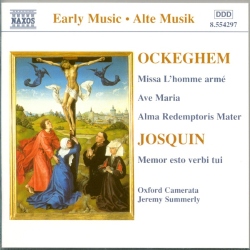
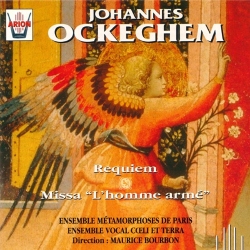
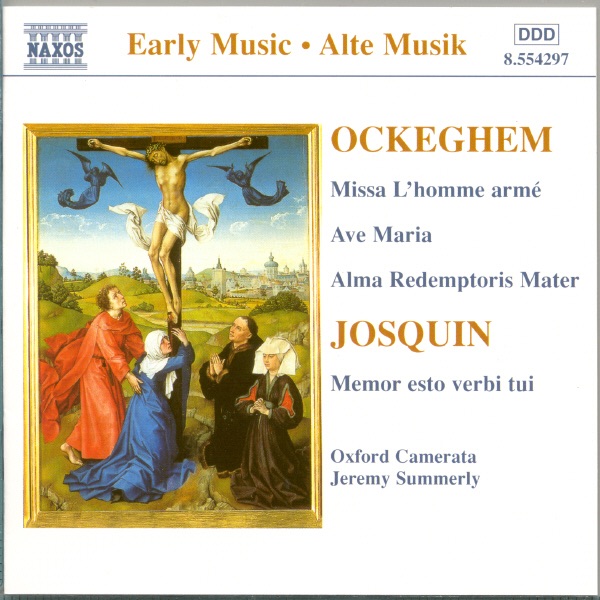
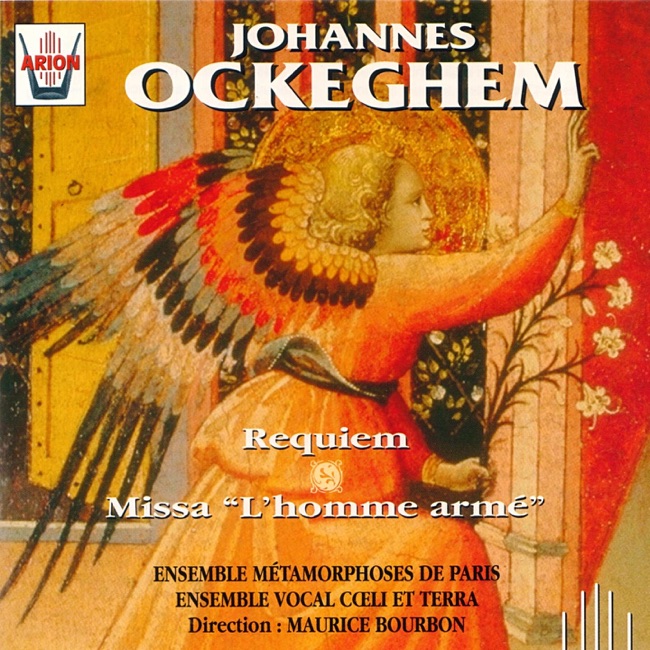
Composer:Johannes OckeghemGenre:ChoralStyle:MassCompose Date:1455 - 1460Average_duration:28:45Movement_count:5Movement ....Johannes Ockeghem's 'Missa L'homme armé' is a masterpiece of Renaissance polyphony. It was composed in the late 15th century, around 1460-1480, and is believed to have been premiered in the chapel of the Duke of Burgundy, where Ockeghem was employed as a singer and composer. The 'Missa L'homme armé' is a mass setting based on the popular secular tune 'L'homme armé', which was used as a cantus firmus, or fixed melody, throughout the mass. The mass is divided into six movements: Kyrie, Gloria, Credo, Sanctus, Agnus Dei I, and Agnus Dei II. The first movement, Kyrie, is a solemn and introspective prayer for mercy, with the cantus firmus presented in long notes in the tenor voice. The second movement, Gloria, is a joyful and exuberant hymn of praise, with intricate polyphonic textures and frequent imitative entries. The third movement, Credo, is the longest and most complex of the mass, with a rich and varied texture that reflects the many articles of faith expressed in the text. The fourth movement, Sanctus, is a serene and contemplative hymn of praise, with a soaring soprano line and a delicate interplay of voices. The fifth movement, Agnus Dei I, is a plaintive and mournful plea for mercy, with the cantus firmus presented in the alto voice. The final movement, Agnus Dei II, is a reprise of the first Agnus Dei, but with a more hopeful and optimistic tone, as the voices gradually build to a triumphant conclusion. The 'Missa L'homme armé' is characterized by its intricate polyphonic textures, its use of canonic and imitative techniques, and its skillful integration of the cantus firmus throughout the mass. It is a testament to Ockeghem's mastery of counterpoint and his ability to create complex and beautiful music within the strict confines of the liturgical form.More....