R. Nathaniel Dett
The Chariot Jubilee
Released Album
Recent Album
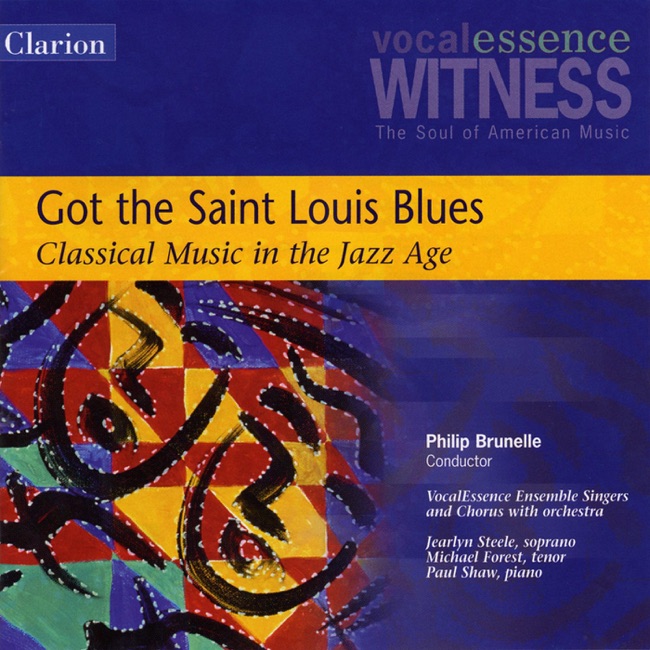
Works Info
Composer:R. Nathaniel DettGenre:ChoralStyle:ChoralAverage_duration:12:14The Chariot Jubilee is a choral work composed by R. Nathaniel Dett in 1938. It premiered on May 26, 1939, at the Berkshire Music Center in Tanglewood, Massachusetts. The piece is divided into three movements, each with its own unique characteristics. The first movement, titled "Swing Low, Sweet Chariot," is a slow and mournful rendition of the well-known spiritual. Dett's arrangement features a soloist who sings the melody while the choir provides a rich harmonic background. The movement is characterized by its use of chromaticism and dissonance, which create a sense of tension and longing. The second movement, "Nobody Knows the Trouble I See," is a more upbeat and rhythmic piece. The choir sings the melody in unison, accompanied by a lively piano part. Dett's use of syncopation and call-and-response between the choir and piano creates a sense of energy and movement. The movement ends with a powerful climax, as the choir sings the final line of the song in a full-throated fortissimo. The final movement, "Ride On, King Jesus," is a triumphant and exultant piece. The choir sings the melody in a call-and-response style, with the soloist leading the way. Dett's use of syncopation and rhythmic complexity creates a sense of excitement and joy. The movement builds to a grand finale, with the choir and piano playing off each other in a virtuosic display of musical fireworks. Overall, The Chariot Jubilee is a masterful example of Dett's skill as a composer and arranger. His use of traditional spirituals as source material, combined with his innovative harmonies and rhythms, creates a work that is both deeply rooted in African American musical traditions and forward-looking in its approach to choral music. The piece remains a beloved staple of the choral repertoire to this day.More....
Works Music
Released Music