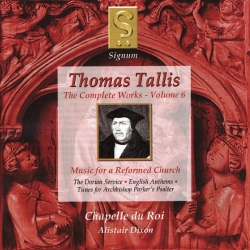
Thomas Tallis
Out from the deep
Released Album
Recent Album
Works Info
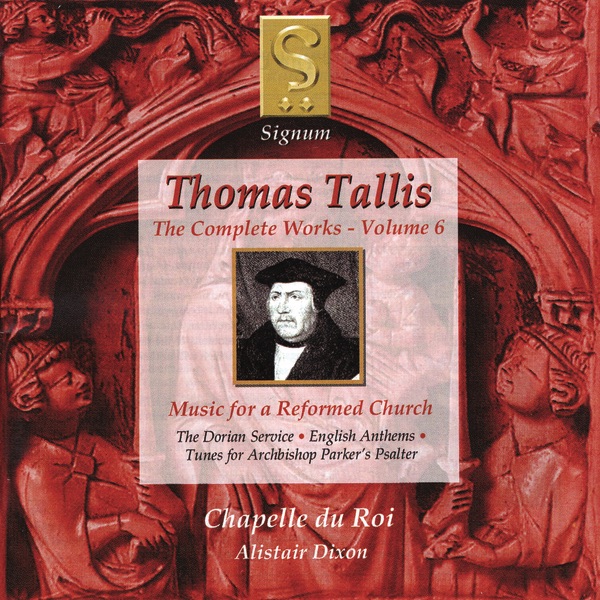
Composer:Thomas TallisGenre:ChoralStyle:ChoralAverage_duration:1:51"Out from the deep" is a choral work composed by Thomas Tallis, a prominent English composer of the Renaissance period. The piece was likely composed in the mid-16th century, although the exact date is unknown. It is believed to have been written for the English church, as Tallis was a devout Catholic and served as a church musician for much of his career. The work is divided into four movements, each of which features a different text and musical style. The first movement is a setting of Psalm 130, "Out of the deep have I called unto thee, O Lord." It is a somber and introspective piece, with a slow and mournful melody that reflects the psalmist's sense of despair and longing for God's mercy. The second movement is a setting of the Magnificat, the hymn of praise that Mary sings in the Gospel of Luke. This movement is more joyful and celebratory than the first, with a lively and energetic melody that reflects the exultant nature of the text. The third movement is a setting of the Nunc Dimittis, the hymn of praise that Simeon sings when he sees the infant Jesus in the temple. This movement is more contemplative than the second, with a slower and more introspective melody that reflects Simeon's sense of peace and fulfillment. The final movement is a setting of the Gloria Patri, a hymn of praise that is often used as a doxology in Christian worship. This movement is the most exultant of the four, with a lively and energetic melody that reflects the joy and praise of the text. Overall, "Out from the deep" is a powerful and moving work that showcases Tallis's skill as a composer and his deep faith as a Catholic. Its four movements offer a range of emotions and musical styles, from somber introspection to exultant praise, and demonstrate Tallis's ability to capture the essence of the texts he sets to music.More....
Works Music
Released Music