Codex Calixtinus Anonymous
In hac die
Released Album
Recent Album
Featured Album
Works Info
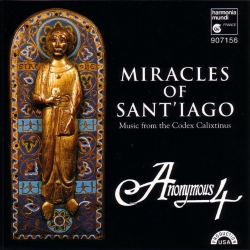
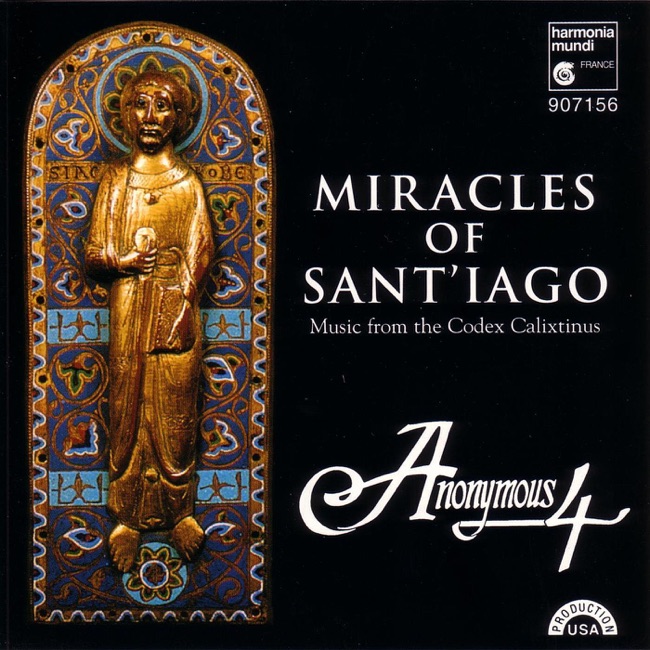
Composer:Codex Calixtinus AnonymousGenre:VocalStyle:ChantAverage_duration:5:33"In hac die" is a medieval chant composed by an anonymous composer, found in the Codex Calixtinus, a 12th-century manuscript containing a collection of music and liturgical texts associated with the pilgrimage to the shrine of St. James in Santiago de Compostela, Spain. The chant is believed to have been composed in the 12th century, around the same time as the manuscript. The premiere of "In hac die" is unknown, as it was likely performed in the context of a religious service rather than a public concert. However, it has been performed and recorded by various ensembles and choirs in modern times. The chant consists of a single movement, with a simple melody and text in Latin. The text is a hymn of praise to St. James, the patron saint of Spain and the focus of the pilgrimage to Santiago de Compostela. The melody is characterized by its smooth, flowing lines and gentle, contemplative mood. The chant is sung in unison, with no harmony or instrumental accompaniment. One of the most notable characteristics of "In hac die" is its use of melismatic singing, in which multiple notes are sung on a single syllable of text. This technique was common in medieval chant and adds a sense of richness and complexity to the melody. The chant also features a number of ornamental flourishes, such as trills and turns, which further enhance its beauty and expressiveness. Overall, "In hac die" is a beautiful and evocative example of medieval chant, and a testament to the enduring power of religious music. Its simple yet profound melody and text continue to inspire and uplift listeners today, just as they did centuries ago.More....
Works Music
Released Music
Featured Music