Elizabeth-Claude Jacquet de la Guerre
Jonas
Released Album
Recent Album
Works Info
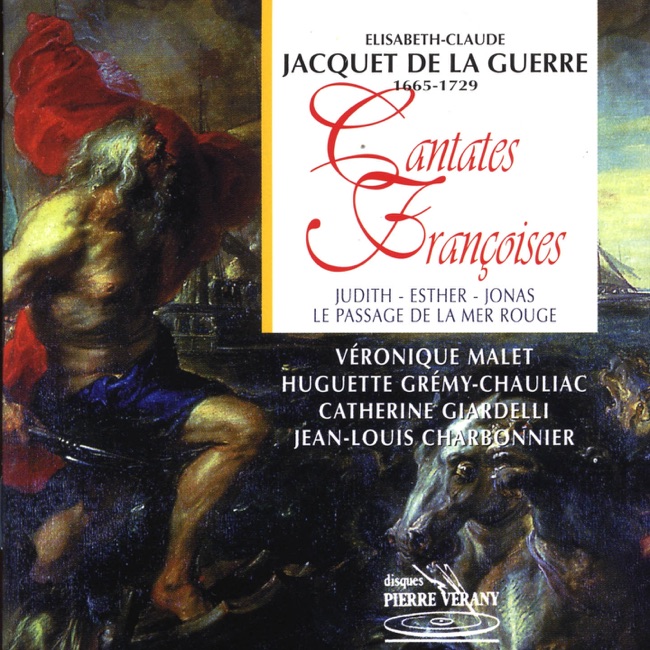
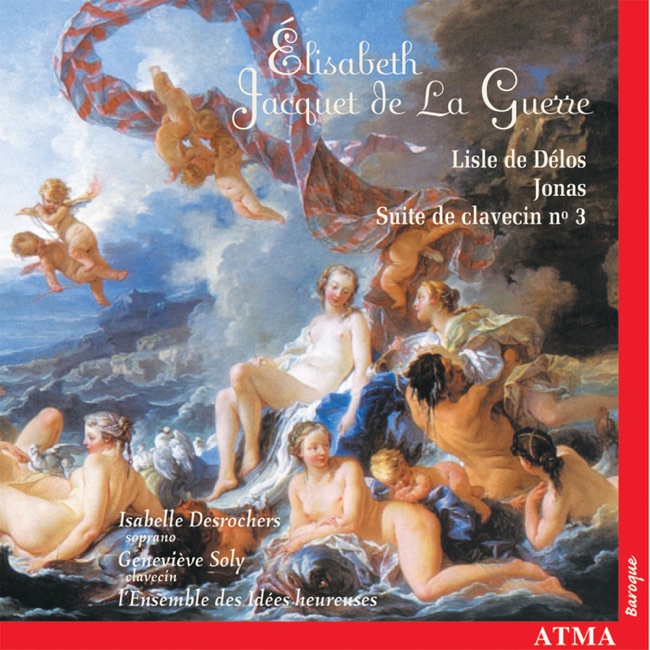
Composer:Elizabeth-Claude Jacquet de la GuerreGenre:ChoralStyle:CantataCompose Date:1708Average_duration:14:48Elizabeth-Claude Jacquet de la Guerre was a French composer and harpsichordist who lived from 1665 to 1729. She was one of the few female composers of her time to achieve recognition and success, and her music was highly regarded by her contemporaries. One of her most famous works is the cantata "Jonas," which was composed in 1708. The cantata tells the story of the biblical prophet Jonah, who is swallowed by a whale after disobeying God's command to preach to the people of Nineveh. The text was written by the poet Antoine Houdar de la Motte, and it is divided into five movements. The first movement, "Introduction," sets the scene and introduces the character of Jonah. The second movement, "Aria," is a lament in which Jonah expresses his fear and despair as he is swallowed by the whale. The third movement, "Recitative," describes Jonah's prayer to God from inside the whale. The fourth movement, "Aria," is a joyful expression of gratitude as Jonah is released from the whale and given a second chance to fulfill his mission. The final movement, "Chorus," is a celebration of God's mercy and forgiveness. The music of "Jonas" is characterized by its expressive melodies, rich harmonies, and skillful use of counterpoint. Jacquet de la Guerre's use of chromaticism and dissonance in the second movement effectively conveys Jonah's sense of desperation and hopelessness. The joyful aria in the fourth movement features a lively dance rhythm and virtuosic vocal writing, while the final chorus is a grand and triumphant conclusion to the cantata. "Jonas" premiered in Paris in 1708 and was well-received by audiences and critics alike. It remains one of Jacquet de la Guerre's most popular and enduring works, and it is a testament to her skill as a composer and her ability to convey complex emotions through music.More....