


Johann Sebastian Bach
Canon á 4 perpetuus, BWV 1073
Released Album
Recent Album

Works Info
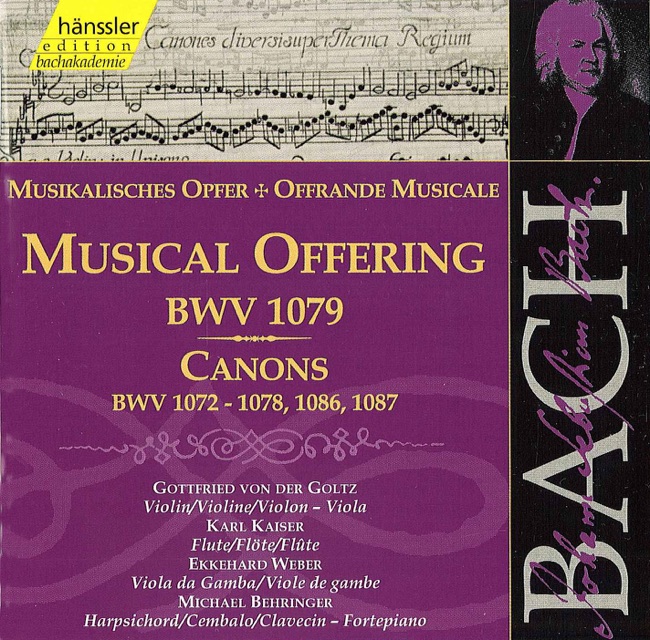
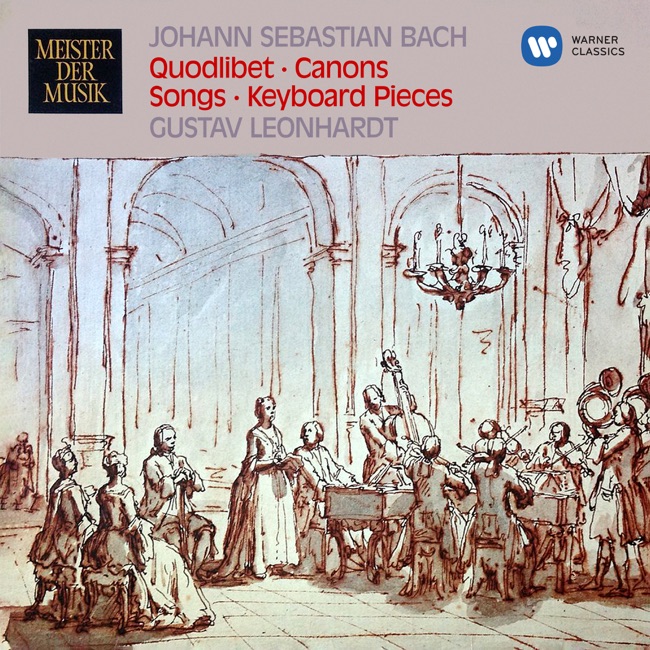
Composer:Johann Sebastian BachGenre:MiscellaneousStyle:CanonCompose Date:Aug 2, 1713Publication Date:1895Average_duration:1:02Johann Sebastian Bach's Canon á 4 perpetuus, BWV 1073, is a four-part canon that is believed to have been composed in the early 1740s. The piece is part of a collection of canons that Bach wrote for his son, Wilhelm Friedemann Bach, who was also a composer. The premiere of the Canon á 4 perpetuus is not known, but it is likely that Bach performed it for his son or his students. The piece was not published during Bach's lifetime and was only discovered in the 20th century. The Canon á 4 perpetuus consists of a single movement that is approximately two minutes long. The piece is written in the key of D major and is scored for four voices. The canon is perpetual, meaning that the melody is repeated continuously throughout the piece. The Canon á 4 perpetuus is characterized by its intricate counterpoint and its use of imitation. The four voices enter one after the other, each repeating the same melody at a different pitch. The result is a complex and harmonically rich texture that is typical of Bach's music. The Canon á 4 perpetuus is also notable for its use of inversion. In the second half of the piece, the melody is played backwards, with the highest voice becoming the lowest and vice versa. This creates a mirror effect that adds to the complexity of the piece. Overall, the Canon á 4 perpetuus is a masterful example of Bach's contrapuntal writing. Its perpetual melody and intricate counterpoint make it a challenging and rewarding piece for performers and listeners alike.More....
Works Music
Released Music
1

1:11
3
1:20