


Wilhelm Friedemann Bach
Fugue for keyboard in D minor, F. 31/4 (BR A84)
Released Album
Recent Album
Featured Album
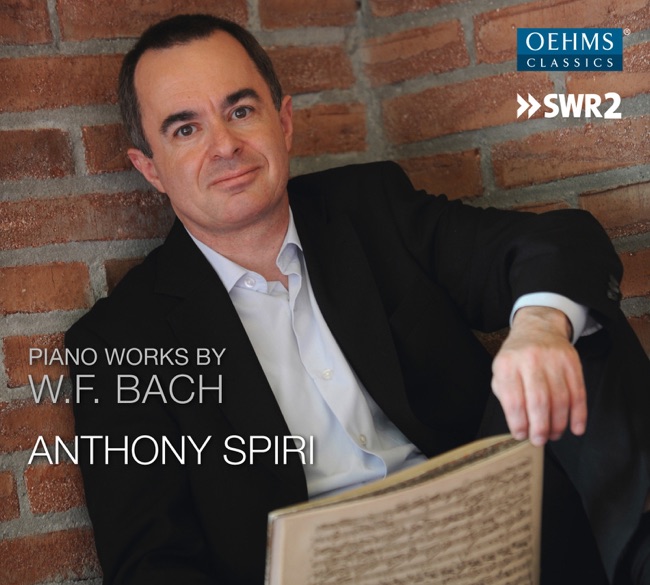
Works Info
Composer:Wilhelm Friedemann BachGenre:KeyboardStyle:FugueCompose Date:ca. 1774 - 1778Publication Date:1968Average_duration:1:32Wilhelm Friedemann Bach, the eldest son of Johann Sebastian Bach, composed the 'Fugue for keyboard in D minor, F. 31/4 (BR A84)' in the mid-18th century. The exact date of composition is unknown, but it is believed to have been written between 1740 and 1750. The piece was first published in 1803, long after the composer's death. The 'Fugue for keyboard in D minor' is a single-movement work that follows the traditional structure of a fugue. It begins with a short exposition, in which the main theme is introduced in the tonic key of D minor. The theme is then imitated by the other voices, or "voices," in turn, creating a complex web of interweaving melodies. The fugue then proceeds through a series of episodes, in which the theme is developed and transformed in various ways. These episodes often modulate to different keys, providing contrast and variety to the piece. The fugue culminates in a final section, in which the theme is restated in its original form, bringing the piece to a satisfying conclusion. One of the most notable characteristics of the 'Fugue for keyboard in D minor' is its use of counterpoint. Counterpoint is the art of combining multiple melodies in a way that is harmonically interesting and pleasing to the ear. Wilhelm Friedemann Bach was a master of counterpoint, and this fugue is a prime example of his skill in this area. Another characteristic of the piece is its use of chromaticism. Chromaticism refers to the use of notes outside of the diatonic scale, which can create a sense of tension and dissonance. The 'Fugue for keyboard in D minor' makes use of chromaticism in several places, adding to the complexity and richness of the piece. Overall, the 'Fugue for keyboard in D minor, F. 31/4 (BR A84)' is a masterful work of keyboard music that showcases Wilhelm Friedemann Bach's skill as a composer. Its intricate counterpoint and use of chromaticism make it a challenging and rewarding piece for performers and listeners alike.More....
Works Music
Released Music
1
1:54
2
1:35
3
1:20
Featured Music
1
1:35