Peter Eötvös
Chinese Opera
Works Info
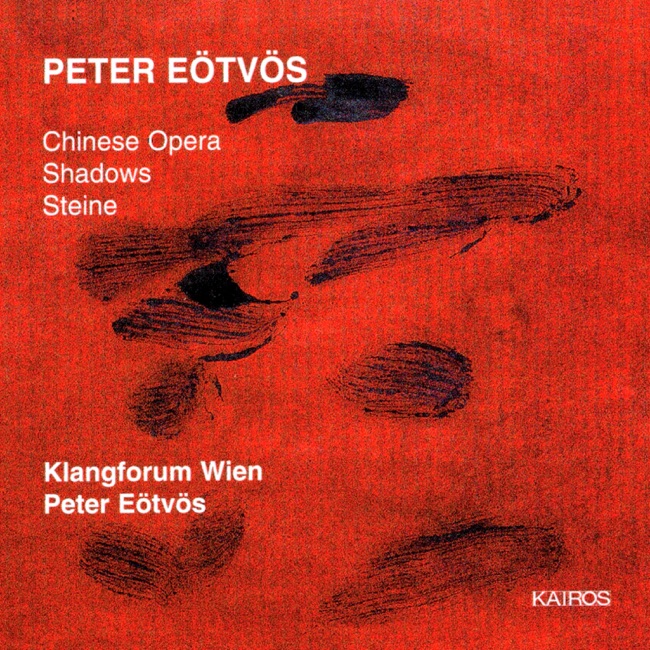
Composer:Peter EötvösGenre:OrchestralStyle:OrchestralAverage_duration:26:31Chinese Opera is a contemporary composition by Hungarian composer Peter Eötvös. It was composed in 1995 and premiered on October 28th of the same year at the Théâtre du Châtelet in Paris, France. The piece is divided into five movements, each of which is characterized by a different musical style and instrumentation. The first movement, titled "The Drunken Concubine," is a lively and energetic piece that features a solo violin and percussion. The violin represents the concubine, who is known for her drunkenness, while the percussion represents the chaos and excitement of the scene. The second movement, "The Executioner," is a dark and ominous piece that features a solo cello and a large ensemble. The cello represents the executioner, while the ensemble represents the crowd gathered to witness the execution. The third movement, "The Emperor's Dream," is a dreamy and ethereal piece that features a solo flute and harp. The flute represents the emperor, who is dreaming, while the harp represents the dream world. The fourth movement, "The Princess and the Hunter," is a romantic and lyrical piece that features a solo clarinet and strings. The clarinet represents the hunter, who is in love with the princess, while the strings represent the princess and her court. The final movement, "The Battle," is a dramatic and intense piece that features the full ensemble. It represents a battle between two armies and features a variety of musical styles and techniques. Overall, Chinese Opera is a unique and innovative composition that blends traditional Chinese music with contemporary Western music. It showcases Eötvös' skill as a composer and his ability to create complex and engaging musical works.More....