Girolamo Frescobaldi
Capricci ... et arie in partitura, Vol. 1 No. 8, Capriccio Ottavo cromatico con ligature contrario
Released Album
Recent Album
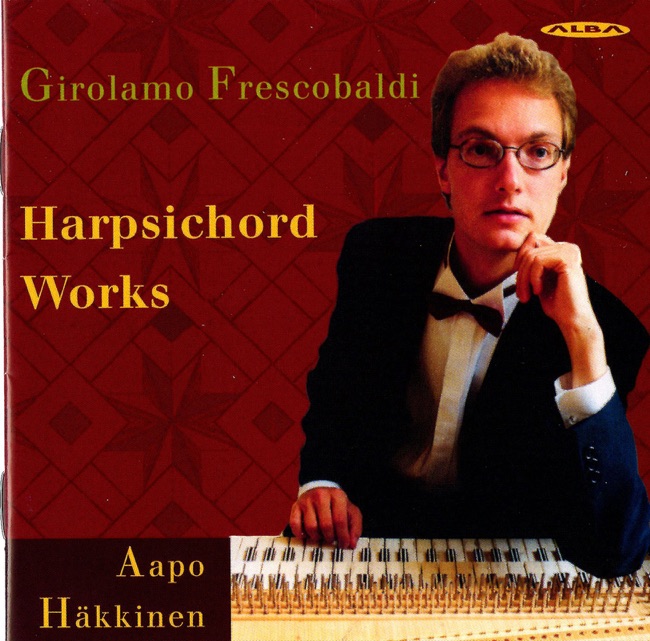
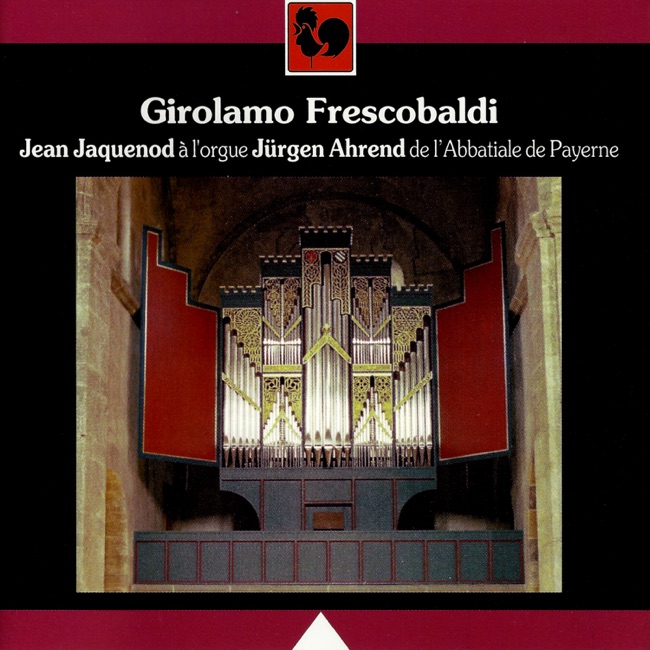
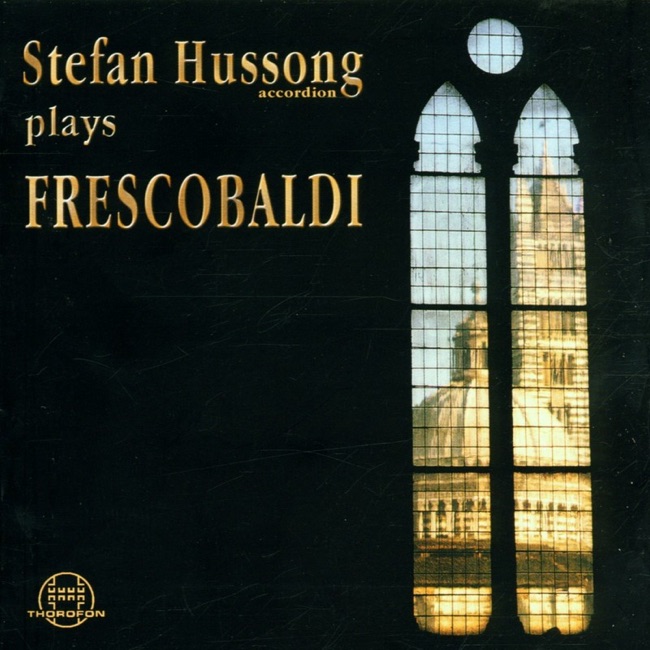
Featured Album
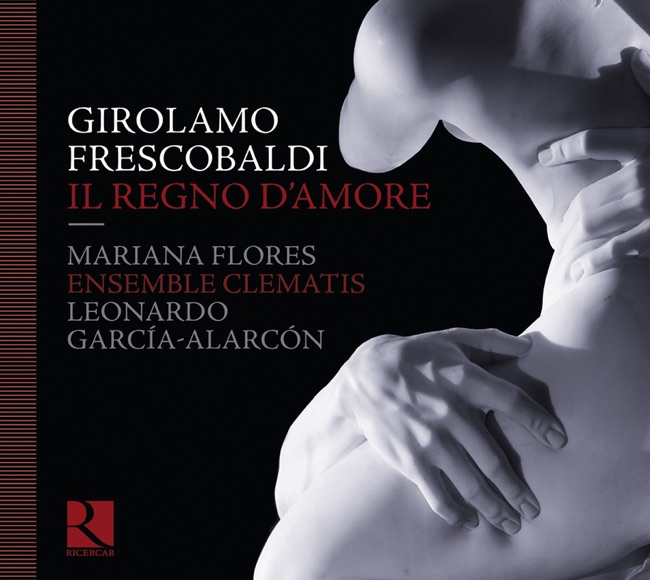
Works Info
Composer:Girolamo FrescobaldiGenre:KeyboardStyle:KeyboardPublication Date:1624Average_duration:4:30'Capricci ... et arie in partitura, Vol. 1 No. 8, Capriccio Ottavo cromatico con ligature contrario' is a musical composition by Girolamo Frescobaldi, an Italian composer and keyboard player of the Baroque era. The piece was composed in the early 17th century and was first premiered in Rome, Italy. The composition is a part of Frescobaldi's collection of keyboard works, 'Capricci ... et arie in partitura', which consists of a series of capriccios and arias for keyboard instruments. The collection was published in 1624 and is considered to be one of the most important keyboard works of the Baroque era. 'Capriccio Ottavo cromatico con ligature contrario' is the eighth capriccio in the collection and is characterized by its chromaticism and use of ligatures. The piece is written in a free form and consists of a series of variations on a theme. The theme is introduced at the beginning of the piece and is then developed and transformed throughout the composition. The capriccio is notable for its use of chromaticism, which was a common feature of Baroque music. The chromaticism is used to create tension and dissonance, which is then resolved through the use of ligatures. The ligatures are used to connect notes that are not usually played together, creating a unique and complex sound. The capriccio is also notable for its use of counterpoint, which is a technique where two or more melodies are played simultaneously. The counterpoint in the capriccio is complex and intricate, with each melody weaving in and out of each other. Overall, 'Capricci ... et arie in partitura, Vol. 1 No. 8, Capriccio Ottavo cromatico con ligature contrario' is a complex and challenging piece of music that showcases Frescobaldi's skill as a composer and keyboard player. Its use of chromaticism, ligatures, and counterpoint make it a unique and important work in the Baroque era.More....
Works Music
Released Music
1
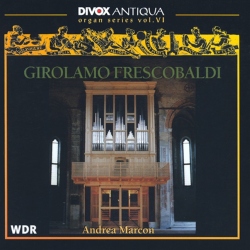
Capricci ... et aria in partitura, Vol. 1 No. 8, Capriccio Ottavo cromatico con ligature contrario
Capriccio cromatico con ligature al contrario (1 Libre di Capricci)
5:40
2
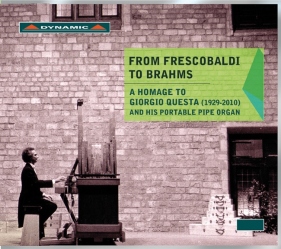
Capricci ... et aria in partitura, Vol. 1 No. 8, Capriccio Ottavo cromatico con ligature contrario
Capriccio cromatico con ligature al contrario
4:23
3
5:5
4
4:1
5
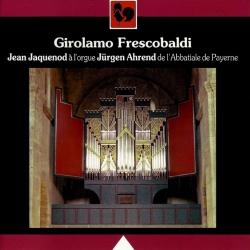
5:21
6
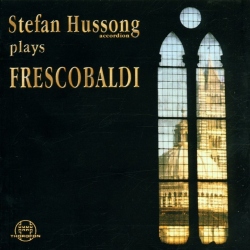
4:49
Featured Music