Franz Liszt
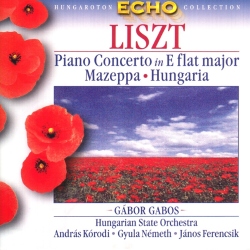
Hungaria, symphonic poem for orchestra, S. 103
Released Album
Recent Album



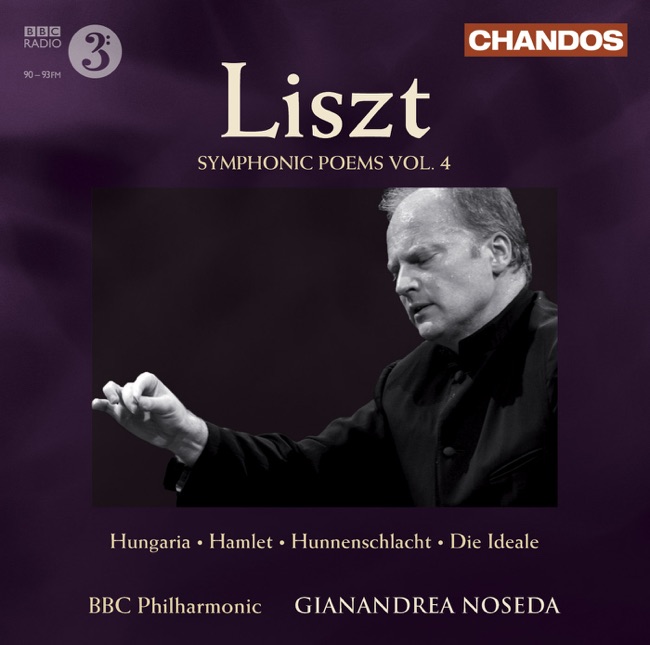
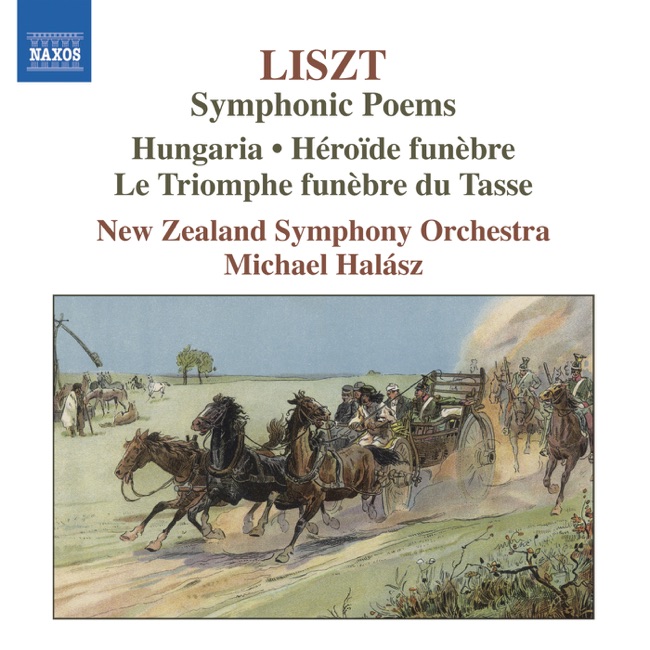

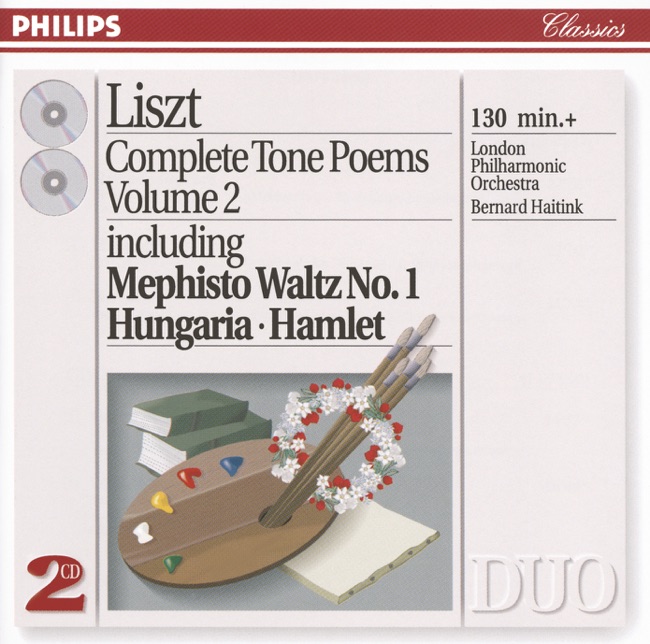
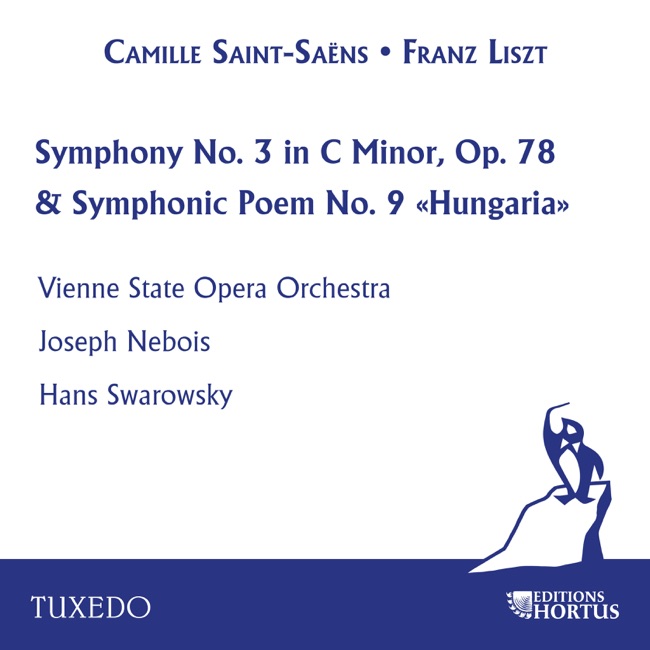
Featured Album
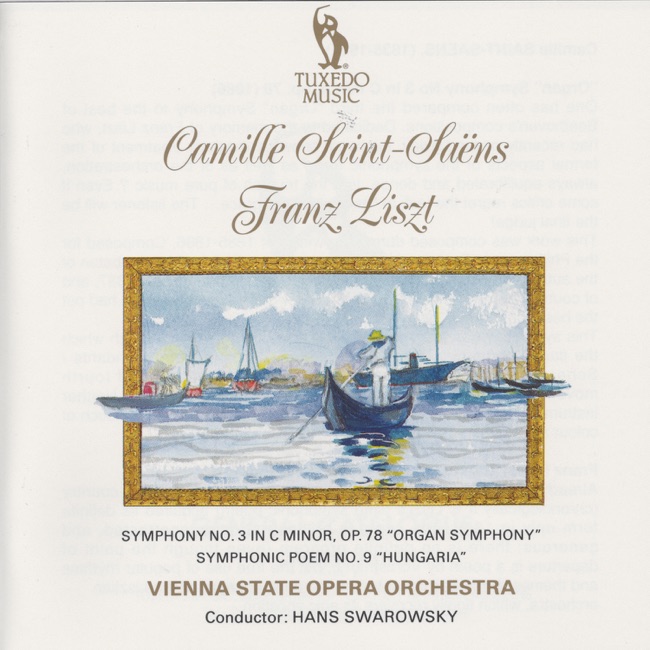
Works Info
Composer:Franz LisztGenre:OrchestralStyle:Tone PoemCompose Date:1854Publication Date:1857First Performance:Sep 8, 1856Average_duration:22:36Hungaria, symphonic poem for orchestra, S. 103, is a composition by Franz Liszt, a Hungarian composer, pianist, and conductor. The piece was composed in 1854 and premiered on January 8, 1856, in Leipzig, Germany, under the direction of Liszt himself. The composition is divided into four movements, each representing a different aspect of Hungarian culture and history. The first movement, "Lassan," is a slow and mournful melody that represents the Hungarian people's struggle for independence. The second movement, "Friska," is a lively and energetic dance that represents the joy and celebration of the Hungarian people. The third movement, "Marcia," is a military march that represents the strength and determination of the Hungarian army. The final movement, "Orgia," is a frenzied and chaotic dance that represents the wild and untamed spirit of the Hungarian people. The piece is characterized by its use of Hungarian folk melodies and rhythms, which Liszt incorporated into his composition to create a uniquely Hungarian sound. The use of these folk elements was a departure from the traditional classical music of the time, and it helped to establish Liszt as a pioneer of the Romantic era. Overall, Hungaria, symphonic poem for orchestra, S. 103, is a powerful and evocative composition that captures the spirit and essence of Hungarian culture and history. Its use of folk melodies and rhythms, combined with Liszt's innovative approach to composition, make it a timeless masterpiece of classical music.More....
Works Music
Released Music
1
20:53
2

23:6
3

22:26
4

22:17
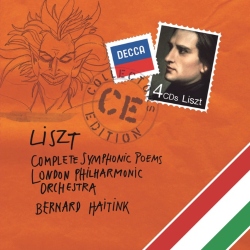
7
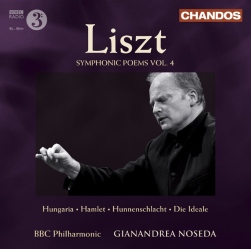
Hungaria, symphonic poem for orchestra, p. 103
I. Largo Con Duolo - Quasi Andante Marziale - Largo Con Duolo - Quasi Andante Marziale - Poco Animando -
8:20
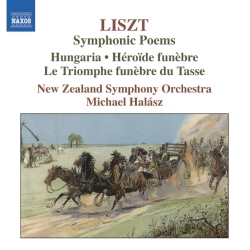
9
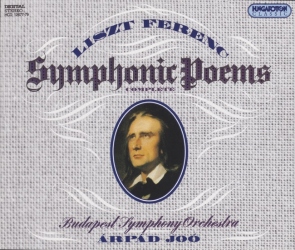
22:22
10
21:32
Featured Music