William Lawes
Consort for harp, bass viol, violin & theorbo No. 8 in G major
Released Album
Recent Album
Featured Album
Works Info
Composer:William LawesGenre:ChamberAverage_duration:7:26William Lawes was a prominent English composer of the 17th century, known for his innovative and expressive music. One of his most notable works is the Consort for harp, bass viol, violin & theorbo No. 8 in G major, which was composed in the early 1630s. The Consort for harp, bass viol, violin & theorbo No. 8 in G major is a chamber music piece that consists of six movements. The piece is scored for a unique combination of instruments, including a harp, bass viol, violin, and theorbo. This combination of instruments creates a rich and varied sound that is both delicate and powerful. The first movement of the Consort for harp, bass viol, violin & theorbo No. 8 in G major is a lively and energetic prelude that sets the tone for the rest of the piece. The second movement is a stately and elegant pavane, which is followed by a lively and playful galliard. The fourth movement is a beautiful and expressive sarabande, which is followed by a lively and rhythmic coranto. The final movement is a lively and joyful jig, which brings the piece to a rousing conclusion. One of the most notable characteristics of the Consort for harp, bass viol, violin & theorbo No. 8 in G major is its use of counterpoint. Lawes was known for his skillful use of counterpoint, and this piece is no exception. The interplay between the different instruments creates a complex and intricate web of sound that is both beautiful and engaging. Another notable characteristic of the Consort for harp, bass viol, violin & theorbo No. 8 in G major is its use of harmony. Lawes was known for his innovative use of harmony, and this piece is a prime example of his skill in this area. The harmonies are rich and varied, creating a sense of depth and complexity that is both beautiful and engaging. The Consort for harp, bass viol, violin & theorbo No. 8 in G major premiered in the early 1630s, and it quickly became one of Lawes' most popular works. Its unique combination of instruments and its innovative use of counterpoint and harmony have made it a favorite among musicians and audiences alike. Today, it is considered one of the most important works of the English Baroque period, and it continues to be performed and enjoyed by music lovers around the world.More....
Works Music
Released Music
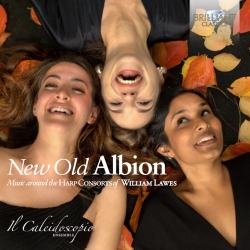
Featured Music
1
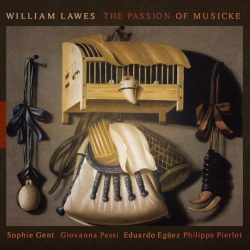
9:1
2
3:2