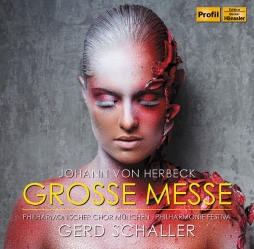
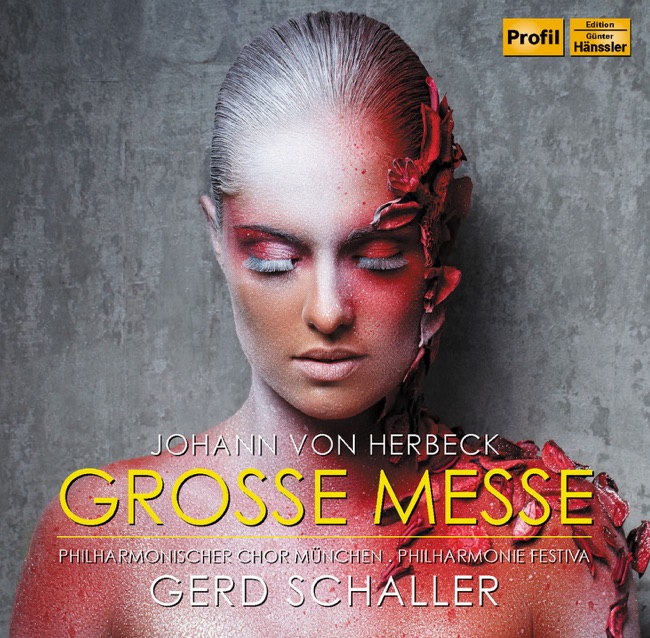
Johann Ritter von Herbeck
Great Mass in E minor
Released Album
Recent Album
Works Info
Composer:Johann Ritter von HerbeckGenre:ChoralAverage_duration:47:29Movement_count:6Movement ....The Great Mass in E minor is a choral work composed by Johann Ritter von Herbeck in the mid-19th century. The piece was premiered in Vienna in 1868 and is considered one of Herbeck's most significant works. The Great Mass in E minor is divided into six movements, each with its own distinct character and musical style. The first movement, Kyrie, is a solemn and introspective piece that sets the tone for the rest of the work. The second movement, Gloria, is a joyful and celebratory piece that features a lively chorus and intricate orchestration. The third movement, Credo, is a powerful and dramatic piece that explores the central tenets of the Christian faith. The fourth movement, Sanctus, is a majestic and uplifting piece that features a soaring chorus and intricate counterpoint. The fifth movement, Benedictus, is a contemplative and introspective piece that features a solo tenor and a delicate orchestration. The final movement, Agnus Dei, is a solemn and introspective piece that brings the work to a close with a sense of quiet reverence. The Great Mass in E minor is characterized by its rich harmonies, intricate counterpoint, and powerful choral writing. Herbeck's use of orchestration is particularly noteworthy, with the work featuring a wide range of instruments including brass, strings, and percussion. The work is also notable for its use of soloists, with the tenor solo in the Benedictus being a particularly memorable moment. Overall, the Great Mass in E minor is a powerful and moving work that showcases Herbeck's skill as a composer and his deep understanding of the choral tradition. Its enduring popularity is a testament to its enduring beauty and emotional power.More....
Works Music
Released Music