


Wilhelm Friedemann Bach
Harpsichord Concerto in E minor, F. 43 (BR C 12)
Released Album
Recent Album
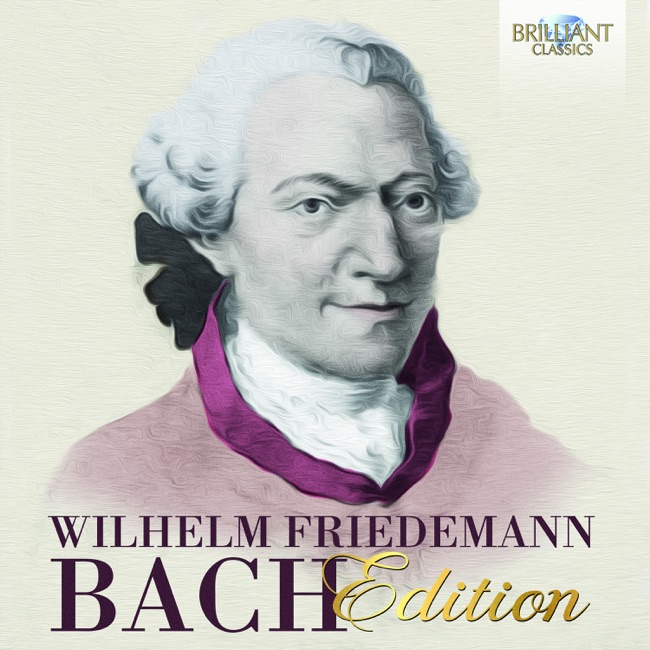
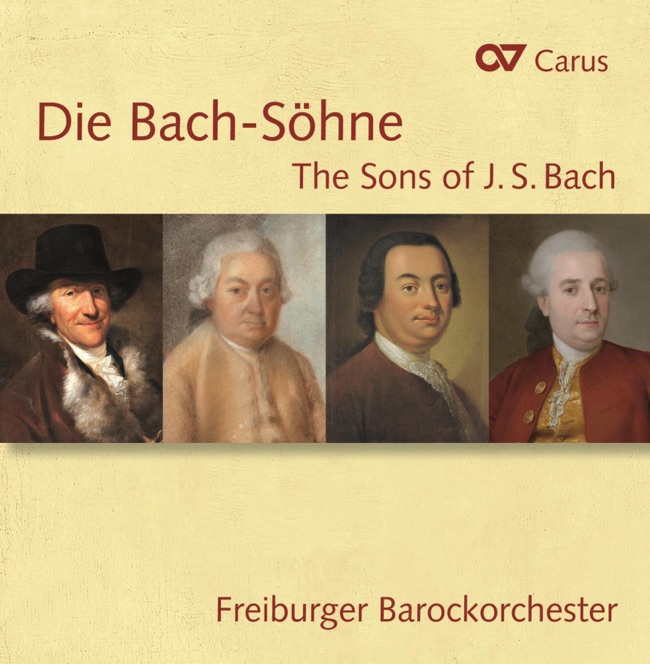
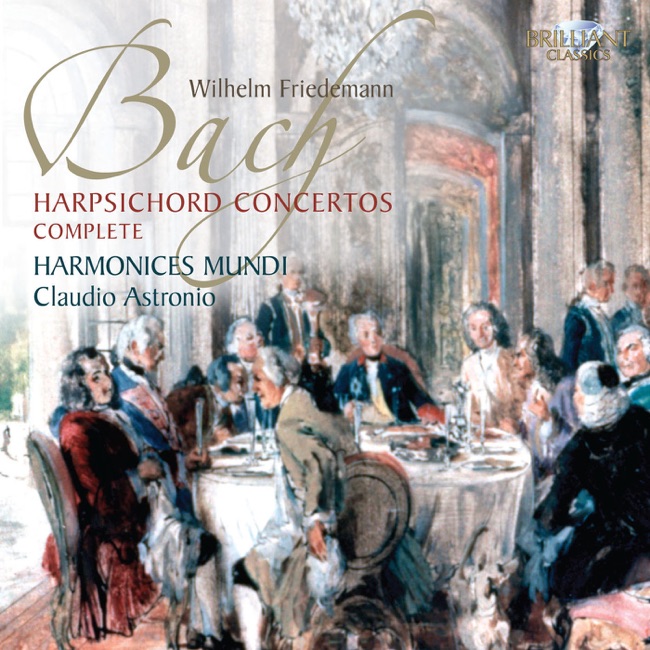
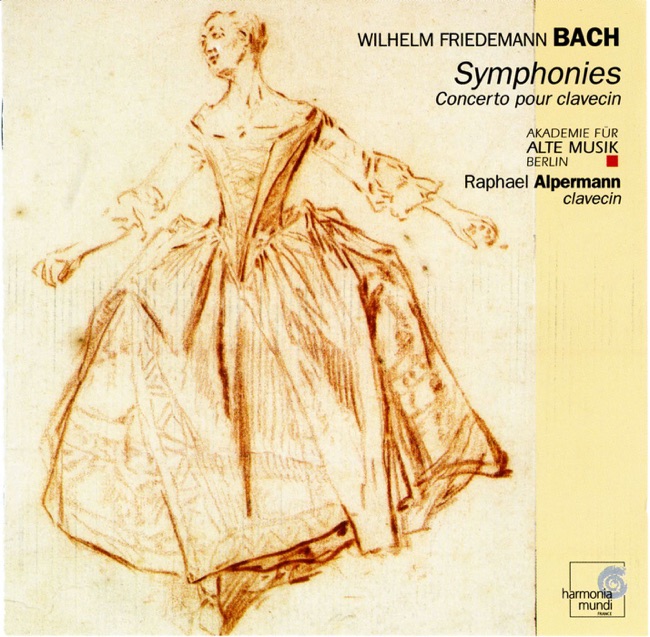
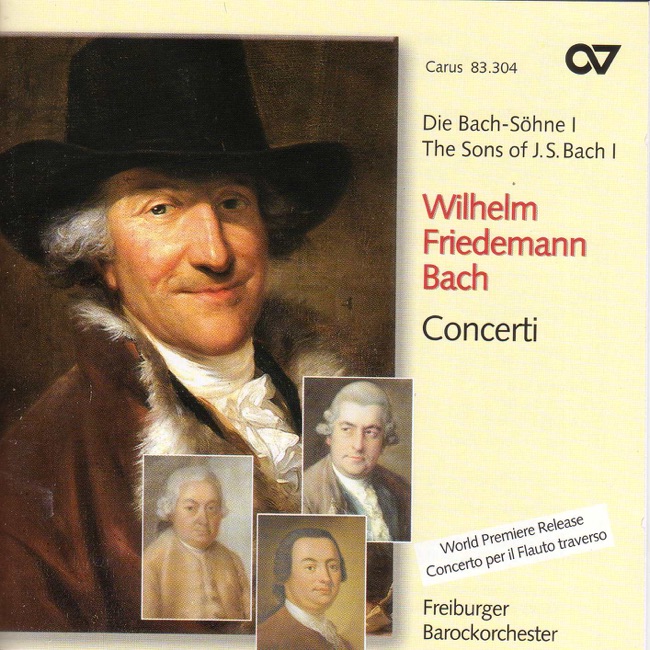
Featured Album
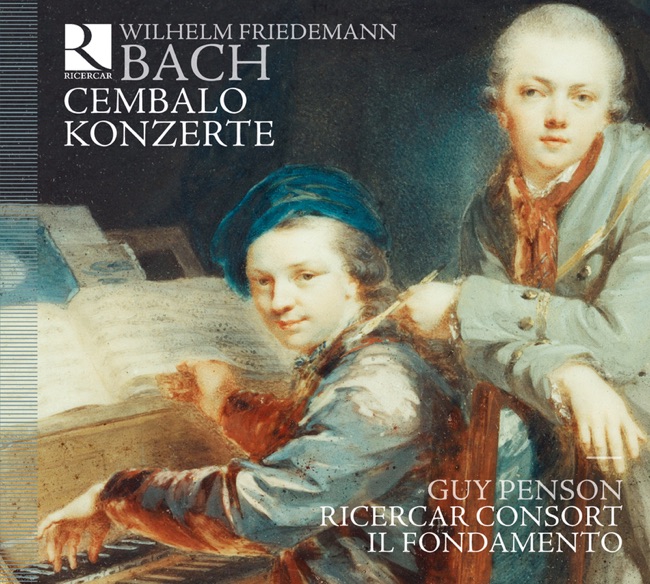
Works Info
Composer:Wilhelm Friedemann BachGenre:ConcertoStyle:ConcertoCompose Date:ca. 1767Publication Date:1931Average_duration:23:54Movement_count:3Movement ....Wilhelm Friedemann Bach, the eldest son of Johann Sebastian Bach, composed the Harpsichord Concerto in E minor, F. 43 (BR C 12) in the mid-18th century. The exact date of composition is unknown, but it is believed to have been written between 1740 and 1750. The concerto was premiered in Leipzig, Germany, where Wilhelm Friedemann Bach was working as an organist and harpsichordist. The concerto consists of three movements: Allegro, Adagio, and Allegro. The first movement is in sonata form and features a lively and energetic theme that is introduced by the harpsichord and then developed by the orchestra. The second movement is a slow and expressive Adagio that showcases the harpsichord's ability to create a delicate and intimate sound. The final movement is a fast and lively Allegro that brings the concerto to a thrilling conclusion. One of the characteristics of this concerto is its use of counterpoint, which was a hallmark of the Baroque era. The harpsichord and orchestra engage in a lively dialogue throughout the concerto, with each instrument taking turns playing the main theme and then elaborating on it. Another characteristic of the concerto is its use of ornamentation, which was a common feature of Baroque music. The harpsichord is particularly well-suited to this style of playing, as it allows the performer to add flourishes and embellishments to the music. Overall, the Harpsichord Concerto in E minor, F. 43 (BR C 12) is a beautiful example of Baroque music. Its lively and energetic themes, delicate and expressive melodies, and intricate counterpoint make it a joy to listen to and a testament to the skill and artistry of Wilhelm Friedemann Bach.More....
Works Music
Released Music
1
9:23
2
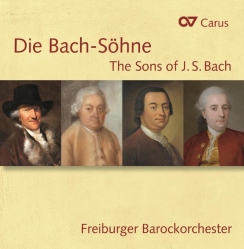
9:25
3
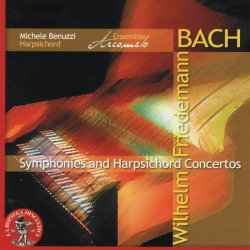
10:28
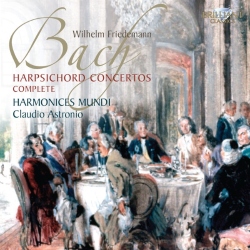
5
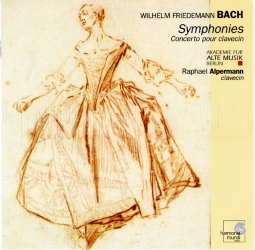
9:15
6
9:22
Featured Music
1
9:29
2
10:42
3
5:42