Giaches de Wert
Egressus Iesus, W xvi, 88
Released Album
Recent Album
Featured Album
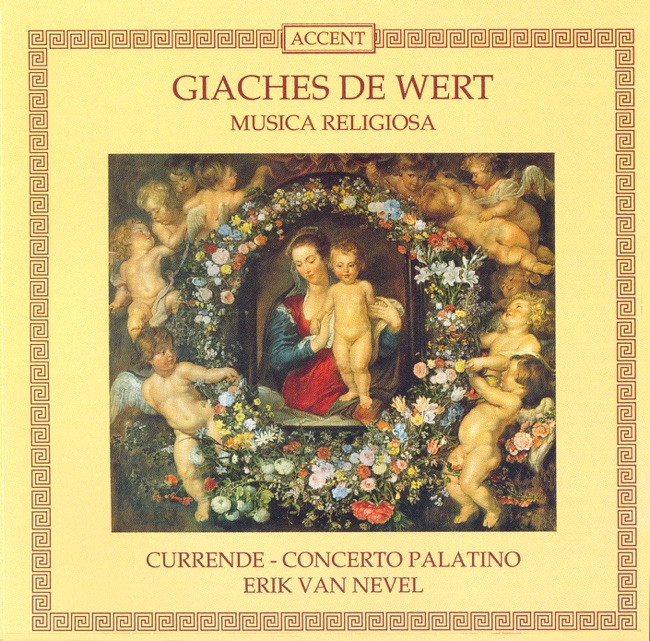
Works Info
Composer:Giaches de WertGenre:ChoralStyle:MotetCompose Date:1581Average_duration:5:21"Egressus Iesus" is a sacred motet composed by Giaches de Wert, an Italian composer of the late Renaissance period. The piece was composed in the late 16th century, around 1580, and was premiered in Mantua, Italy. The motet is written for six voices, with two sopranos, alto, two tenors, and bass. It is divided into three movements, each with its own distinct character and musical style. The first movement is a slow and solemn setting of the text "Egressus Iesus," which describes Jesus leaving the temple after teaching the people. The second movement is a lively and joyful setting of the text "Et ibant gaudentes," which describes the people following Jesus and rejoicing in his teachings. The final movement is a return to the solemn mood of the first, with a setting of the text "Et erat subditus illis," which describes Jesus returning to his parents and being obedient to them. The musical characteristics of "Egressus Iesus" reflect the style of the late Renaissance period, with its use of polyphony, imitative counterpoint, and expressive harmonies. The piece is characterized by its rich and complex textures, with each voice contributing to the overall musical effect. The use of chromaticism and dissonance adds to the emotional intensity of the piece, particularly in the more dramatic moments of the first and third movements. Overall, "Egressus Iesus" is a powerful and expressive work that showcases Giaches de Wert's mastery of the Renaissance style. Its combination of solemnity and joy, along with its intricate musical textures, make it a standout example of sacred music from this period.More....
Works Music
Released Music
Featured Music