


Karl Ditters von Dittersdorf
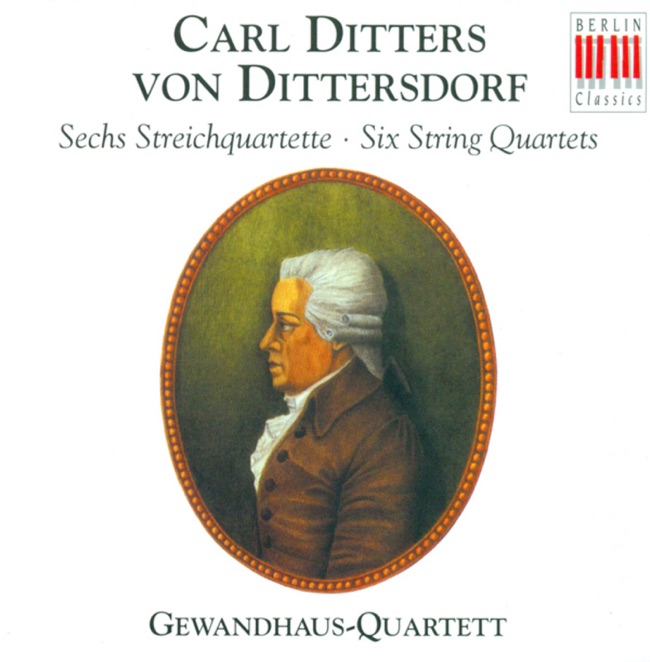
String quartet No. 3 in G major
Released Album
Recent Album

Works Info
Composer:Karl Ditters von DittersdorfGenre:ChamberStyle:String QuartetCompose Date:1788Average_duration:17:23Movement_count:3Movement ....Karl Ditters von Dittersdorf's String Quartet No. 3 in G major was composed in the late 18th century, around 1780. The piece premiered in Vienna, Austria, and was well-received by audiences and critics alike. The quartet is comprised of four movements, each with its own unique characteristics and themes. The first movement, marked Allegro, is a lively and energetic piece that showcases the technical abilities of the quartet. The movement begins with a bright and cheerful melody played by the first violin, which is then echoed by the other instruments. The movement features a number of intricate and complex passages, including rapid runs and arpeggios, which are executed with precision and skill by the quartet. The second movement, marked Andante, is a slower and more contemplative piece that features a beautiful and expressive melody played by the first violin. The other instruments provide a gentle accompaniment, creating a sense of peacefulness and tranquility. The movement is notable for its use of dynamics, with the quartet alternating between soft and loud passages to create a sense of tension and release. The third movement, marked Menuetto, is a lively and playful piece that features a catchy and memorable melody played by the first violin. The other instruments provide a rhythmic accompaniment, creating a sense of dance and movement. The movement is notable for its use of syncopation, which adds a sense of unpredictability and excitement to the piece. The final movement, marked Allegro assai, is a fast and energetic piece that brings the quartet to a thrilling conclusion. The movement features a number of technical challenges, including rapid runs and complex rhythms, which are executed with skill and precision by the quartet. The movement is notable for its use of counterpoint, with the different instruments playing off each other to create a sense of complexity and depth. Overall, Karl Ditters von Dittersdorf's String Quartet No. 3 in G major is a masterful work that showcases the technical abilities of the quartet while also exploring a range of emotions and themes. The piece is notable for its use of dynamics, syncopation, and counterpoint, which add depth and complexity to the music.More....
Works Music
Released Music
1
6:26

3
7:41
5
7: