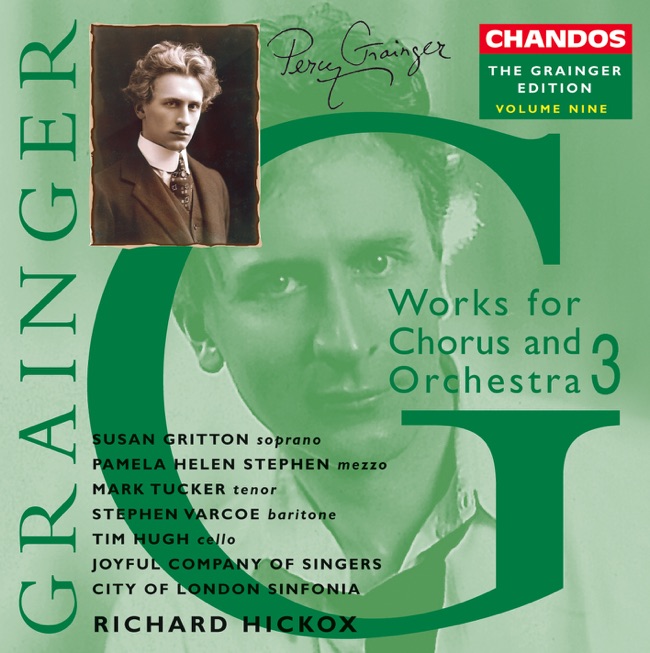
Percy Grainger
Died for Love, for string orchestra
Released Album
Recent Album
Works Info
Composer:Percy GraingerGenre:OrchestralStyle:OrchestralCompose Date:1906 - 1907Average_duration:1:22"Died for Love" is a composition for string orchestra by Percy Grainger, an Australian-born composer and pianist. The piece was composed in 1919 and premiered in London in 1921. It is a set of variations on the traditional English folk song "The True Lover's Farewell," which tells the story of a young man who is forced to leave his true love and go to sea. The piece is divided into four movements, each of which is a variation on the original folk song. The first movement is a slow and mournful introduction, setting the tone for the rest of the piece. The second movement is a lively and rhythmic dance, featuring a playful melody that is passed between the different sections of the orchestra. The third movement is a slow and melancholy adagio, featuring a solo violin that plays the main melody of the folk song. The final movement is a fast and energetic finale, featuring a lively and complex fugue that brings the piece to a thrilling conclusion. One of the most striking characteristics of "Died for Love" is Grainger's use of folk melodies and rhythms. He was known for his interest in folk music, and many of his compositions incorporate traditional tunes and rhythms from around the world. In "Died for Love," he takes a simple English folk song and transforms it into a complex and sophisticated work for string orchestra. Another notable characteristic of the piece is Grainger's use of variation form. Each movement is a variation on the original folk song, but each variation is distinct and unique, showcasing Grainger's skill as a composer. The piece also features a wide range of textures and dynamics, from the soft and delicate opening to the powerful and dramatic finale. Overall, "Died for Love" is a beautiful and moving work for string orchestra, showcasing Grainger's unique style and his love of folk music. Its haunting melodies and intricate rhythms make it a timeless masterpiece of the classical repertoire.More....
Works Music
Released Music