Gregorian Chant
Posuisti
Released Album
Recent Album
Works Info
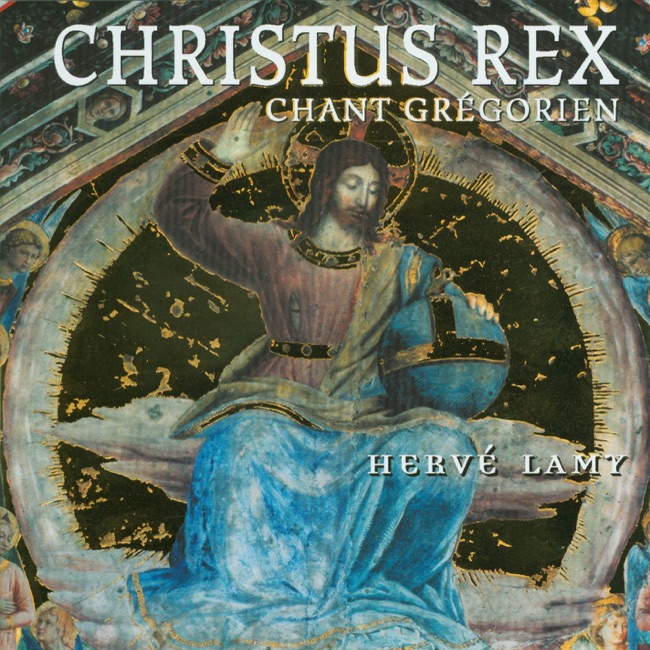
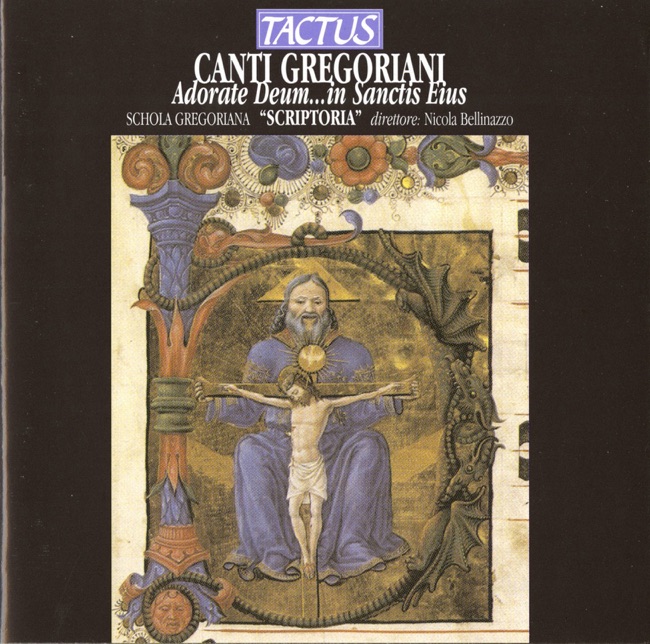
Composer:Gregorian ChantGenre:ChoralStyle:ChantAverage_duration:1:59Posuisti is a Gregorian chant that is believed to have been composed in the 10th century. It is a hymn that is often sung during the liturgical season of Lent, particularly on Ash Wednesday. The chant is characterized by its solemn and contemplative melody, which is meant to evoke a sense of penitence and reflection. The premiere of Posuisti is not known, as it is a traditional chant that has been passed down through the centuries. However, it is believed to have been widely used in monastic communities throughout Europe during the Middle Ages. Posuisti is composed of several movements, each of which is designed to convey a different aspect of the Lenten season. The first movement begins with the words "Posuisti, Domine, in capite meo," which translate to "You have placed, O Lord, upon my head." This movement is meant to evoke a sense of humility and submission, as the singer acknowledges their own sinfulness and the need for repentance. The second movement of Posuisti is characterized by a more somber melody, and begins with the words "Dies mei sicut umbra declinaverunt," which translate to "My days have declined like a shadow." This movement is meant to convey a sense of the fleeting nature of life, and the need to focus on spiritual matters rather than worldly concerns. The third movement of Posuisti is perhaps the most contemplative, and begins with the words "Tu autem, Domine, usque in saeculum permanes," which translate to "But you, O Lord, endure forever." This movement is meant to remind the singer of the eternal nature of God, and the need to seek His forgiveness and mercy. Overall, Posuisti is a powerful and moving hymn that has been sung by countless generations of Christians. Its timeless melody and profound lyrics continue to inspire and uplift those who hear it, and it remains an important part of the liturgical tradition of the Catholic Church.More....