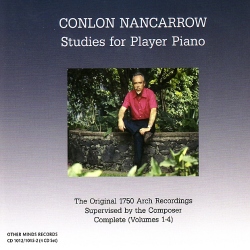
Conlon Nancarrow
Study for Player Piano No. 27
Released Album
Recent Album


Works Info
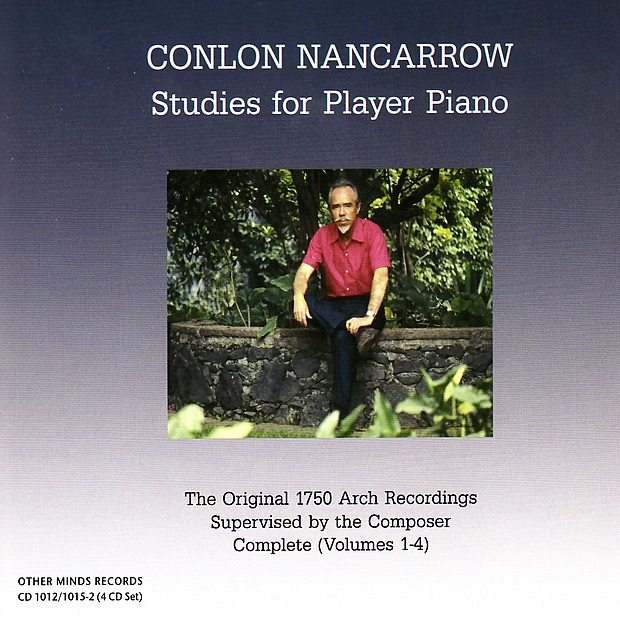
Composer:Conlon NancarrowGenre:KeyboardStyle:EtudeCompose Date:ca. 1948 - 1960Average_duration:5:01Conlon Nancarrow's 'Study for Player Piano No. 27' is a composition that was created in the year 1985. The piece was premiered in the same year in Mexico City. The composition is a part of Nancarrow's larger body of work, which is known for its use of complex rhythms and polyrhythms. The 'Study for Player Piano No. 27' is a single movement piece that is characterized by its use of intricate rhythms and dissonant harmonies. The composition is played entirely by a player piano, which is a type of piano that can play pre-programmed music without the need for a human performer. The piece begins with a series of rapid, staccato notes that are played in a syncopated rhythm. This rhythm is then repeated and developed throughout the piece, with the addition of new melodic and harmonic elements. The composition also features a number of sudden shifts in tempo and dynamics, which add to its overall sense of unpredictability and complexity. One of the most notable aspects of the 'Study for Player Piano No. 27' is its use of polyrhythms. Poly rhythms are rhythms that are made up of multiple, conflicting rhythms played simultaneously. In this piece, Nancarrow uses polyrhythms to create a sense of tension and dissonance, as the different rhythms clash and overlap with one another. Overall, the 'Study for Player Piano No. 27' is a challenging and complex composition that showcases Nancarrow's unique approach to rhythm and harmony. Its use of polyrhythms and dissonant harmonies make it a standout piece in the canon of 20th-century classical music.More....
Works Music