Nicola Matteis
II Russignolo
Released Album
Recent Album


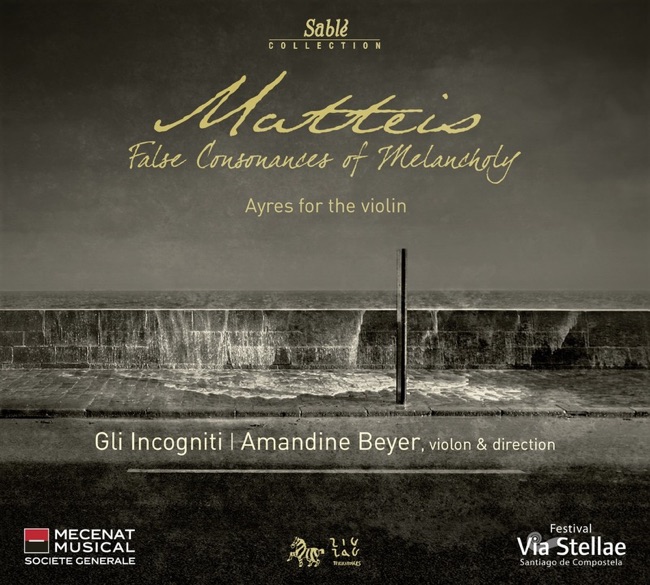

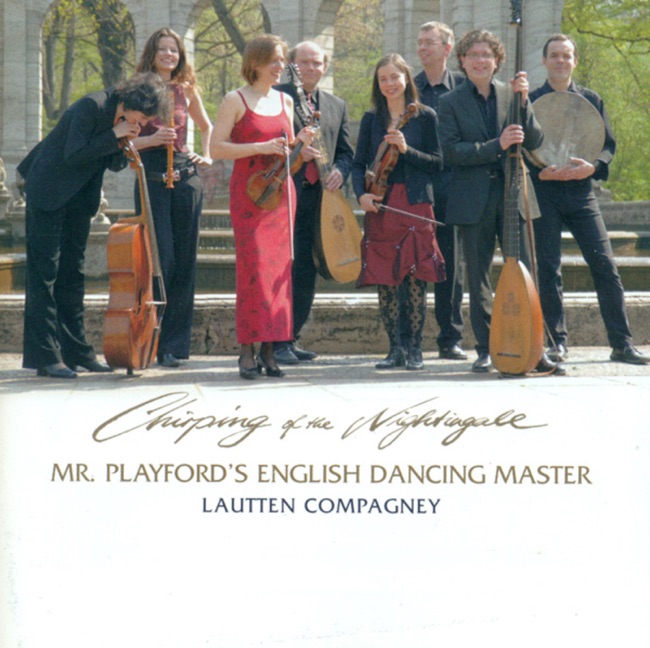
Featured Album
Works Info
Composer:Nicola MatteisGenre:MiscellaneousStyle:MiscellaneousAverage_duration:1:23Nicola Matteis was an Italian Baroque composer and violinist who lived in the late 17th and early 18th centuries. He was known for his virtuosic playing and his innovative use of the violin. One of his most famous works is the "II Russignolo," which was composed in the late 17th century. The "II Russignolo" is a suite of dances for solo violin. It is believed to have been composed in the 1680s or 1690s, although the exact date is unknown. The suite consists of six movements, each with its own distinct character and style. The first movement is a prelude, which sets the tone for the rest of the suite. It is a slow, melancholy piece that showcases the violin's expressive capabilities. The second movement is a lively dance in triple meter, called a corrente. It is characterized by its fast, flowing melody and intricate ornamentation. The third movement is a sarabande, a slow, stately dance in triple meter. It is marked by its emphasis on the second beat of each measure, which gives it a distinctive rhythm. The fourth movement is a gigue, a fast dance in compound meter. It is characterized by its lively, syncopated rhythm and its use of double stops and other virtuosic techniques. The fifth movement is a minuet, a moderate dance in triple meter. It is marked by its elegant melody and its use of dotted rhythms. The final movement is a chaconne, a dance in triple meter that is characterized by its repeating bass line. The chaconne is a virtuosic tour de force, with the violinist playing complex variations on the bass line while maintaining the dance's rhythmic structure. Overall, the "II Russignolo" is a showcase of Matteis's virtuosic playing and his innovative use of the violin. It is a challenging work for any violinist, requiring a high level of technical skill and musical sensitivity. Its six movements showcase a range of styles and moods, from the melancholy prelude to the lively gigue to the virtuosic chaconne.More....
Works Music
Released Music



Featured Music