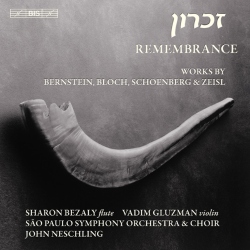
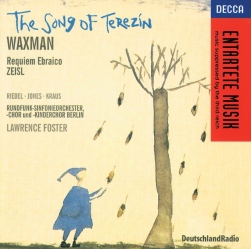
Erich Zeisl
Requiem Ebraico
Released Album
Recent Album
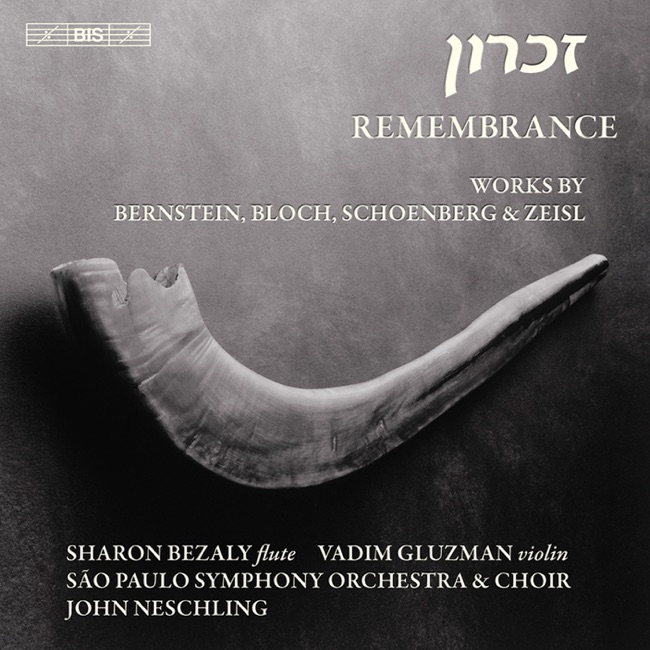
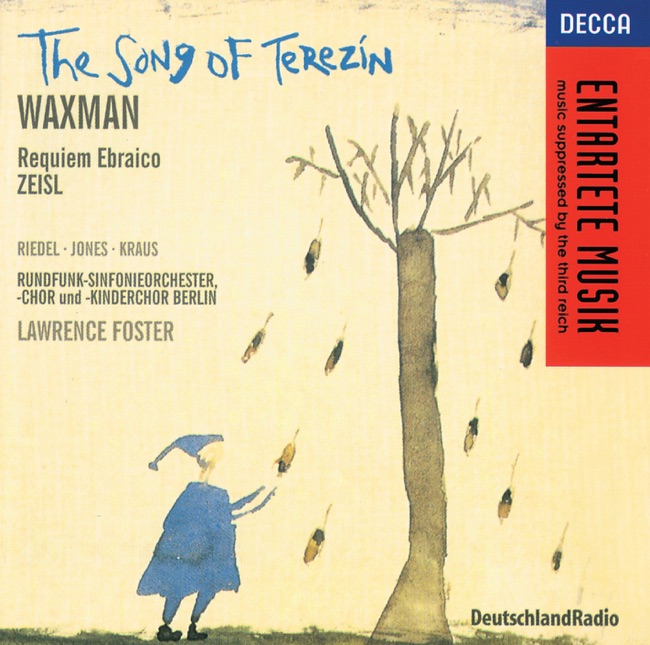
Works Info
Composer:Erich ZeislGenre:ChoralStyle:RequiemCompose Date:1944Average_duration:18:13Erich Zeisl's "Requiem Ebraico" is a choral work that was composed in 1943. It was premiered in Los Angeles in 1944, conducted by the composer himself. The piece is divided into seven movements, each with its own unique characteristics. The first movement, "Introitus," begins with a somber and mournful melody sung by the choir. The music gradually builds in intensity, with the addition of a solo soprano and a full orchestra. The movement ends with a powerful climax, as the choir sings the words "Requiem aeternam dona eis, Domine" (Eternal rest grant unto them, O Lord). The second movement, "Kyrie," is a prayer for mercy and forgiveness. The music is more subdued than the first movement, with a gentle melody sung by the choir. The solo soprano and orchestra provide a delicate accompaniment. The third movement, "Dies Irae," is the most dramatic and intense of the seven movements. The choir sings with great force and urgency, as the orchestra provides a thunderous accompaniment. The movement ends with a haunting melody sung by the solo soprano. The fourth movement, "Offertorium," is a prayer for the dead. The music is more peaceful than the previous movement, with a gentle melody sung by the choir. The solo soprano and orchestra provide a delicate accompaniment. The fifth movement, "Sanctus," is a hymn of praise to God. The music is more joyful than the previous movements, with a lively melody sung by the choir. The solo soprano and orchestra provide a lively accompaniment. The sixth movement, "Agnus Dei," is a prayer for peace. The music is more subdued than the previous movement, with a gentle melody sung by the choir. The solo soprano and orchestra provide a delicate accompaniment. The final movement, "Lux Aeterna," is a prayer for eternal light. The music is more peaceful than the previous movements, with a gentle melody sung by the choir. The solo soprano and orchestra provide a delicate accompaniment. The movement ends with a quiet and peaceful resolution. Overall, "Requiem Ebraico" is a powerful and moving work that combines elements of Jewish and Christian traditions. The music is both mournful and hopeful, reflecting the themes of death and eternal life.More....
Works Music
Released Music