Biagio Marini
Sinfonia Primo Tuono, Op. 22
Released Album
Recent Album
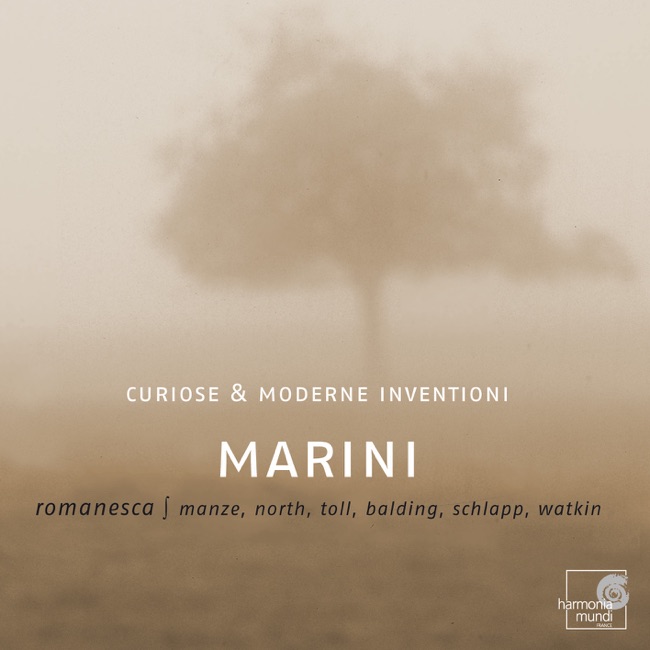
Featured Album
Works Info
Composer:Biagio MariniGenre:SymphonyStyle:SymphonyAverage_duration:2:10Sinfonia Primo Tuono, Op. 22 is a Baroque instrumental composition by Italian composer Biagio Marini. It was composed in the early 17th century and premiered in Venice, Italy. The piece is divided into four movements, each with its own unique characteristics. The first movement, marked "Preludio," is a lively and energetic introduction to the piece. It features a fast tempo and intricate melodic lines that showcase Marini's skill as a composer. The movement is characterized by its use of counterpoint, with multiple melodic lines weaving in and out of each other. The second movement, marked "Allemanda," is a slower and more stately dance. It features a steady, walking bass line and a simple, elegant melody that is passed between the different instruments in the ensemble. The movement is notable for its use of ornamentation, with trills and other embellishments added to the melody to give it a more ornate and decorative quality. The third movement, marked "Corrente," is a fast and lively dance that is characterized by its use of syncopation. The melody is often played off the beat, creating a sense of tension and excitement. The movement features a driving rhythm and a sense of forward momentum that propels the piece towards its conclusion. The final movement, marked "Giga," is a fast and energetic dance that brings the piece to a thrilling conclusion. It features a lively melody that is passed between the different instruments in the ensemble, with each player adding their own unique flourishes and embellishments. The movement is characterized by its use of virtuosic passages, with each player given the opportunity to showcase their technical skill and musicality. Overall, Sinfonia Primo Tuono, Op. 22 is a masterful example of Baroque instrumental music. It showcases Marini's skill as a composer and his ability to create intricate and complex musical textures. The piece is notable for its use of counterpoint, ornamentation, and syncopation, and its four movements work together to create a cohesive and satisfying musical experience.More....
Works Music
Released Music
Featured Music