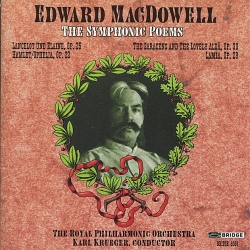
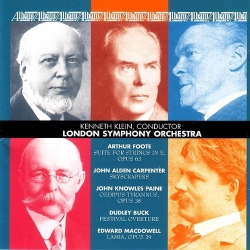
Edward MacDowell
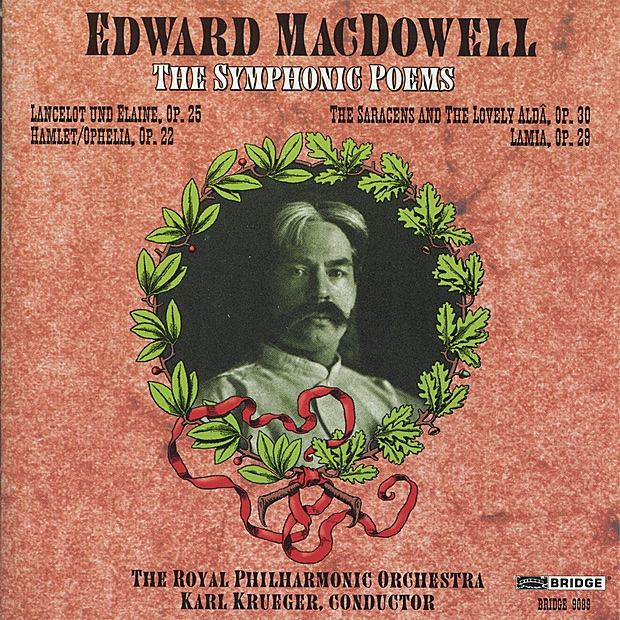
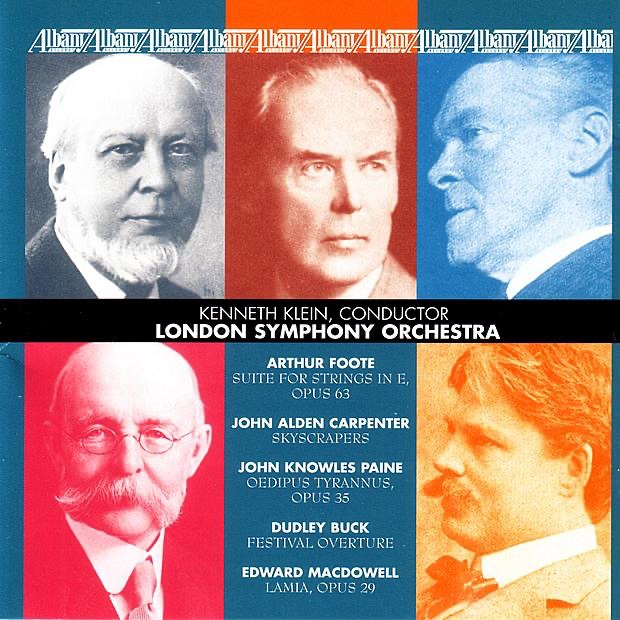
Lamia, Op. 29
Released Album
Recent Album

Works Info
Composer:Edward MacDowellGenre:OrchestralStyle:Tone PoemCompose Date:1887 - 1888Average_duration:15:26Lamia, Op. 29 is a symphonic poem composed by Edward MacDowell in 1908. It was inspired by the poem "Lamia" by John Keats, which tells the story of a serpent-woman who falls in love with a mortal man and is ultimately destroyed by her own deception. The piece is divided into three movements. The first movement, "Lamia," begins with a haunting melody played by the strings, which sets the tone for the entire piece. The music is dark and mysterious, reflecting the seductive nature of the serpent-woman. As the movement progresses, the music becomes more intense and dramatic, building to a powerful climax. The second movement, "Lycius," is named after the mortal man who falls in love with Lamia. The music is more lyrical and romantic, reflecting the love between the two characters. However, there is a sense of foreboding in the music, as the audience knows that Lamia's true nature will eventually be revealed. The final movement, "Lamia's Death," is the most dramatic of the three. The music is fast-paced and intense, reflecting the chaos and destruction that occurs as Lamia's true nature is revealed. The piece ends with a powerful chord, symbolizing Lamia's ultimate demise. Overall, Lamia, Op. 29 is a powerful and evocative piece of music. MacDowell's use of melody, harmony, and orchestration effectively captures the mood and themes of Keats' poem. The piece premiered on December 17, 1908, in Boston, Massachusetts, and has since become a staple of the symphonic repertoire.More....
Works Music
Released Music