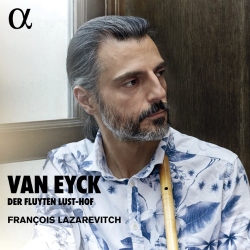
Jacob van Eyck
Pavane Lachrymae
Released Album
Recent Album

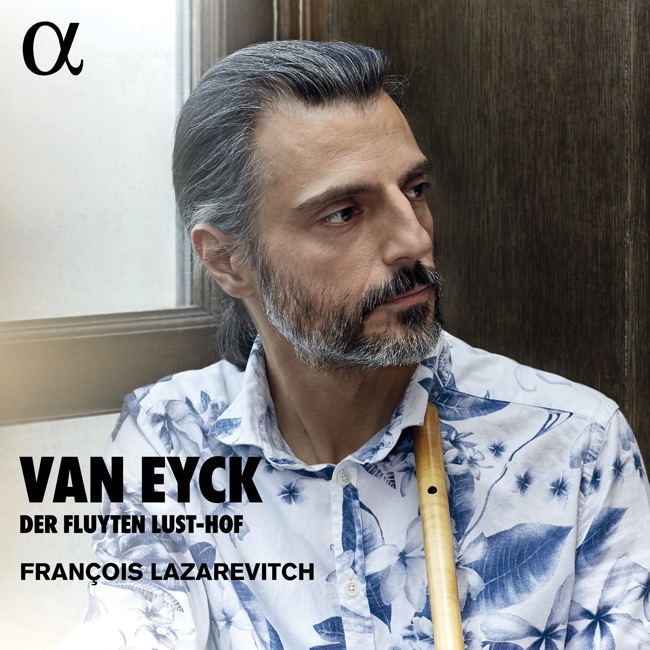
Works Info
Composer:Jacob van EyckGenre:ChamberAverage_duration:10:01Pavane Lachrymae is a composition by Jacob van Eyck, a Dutch composer and musician who lived from 1590 to 1657. The piece was composed in the early 17th century and is believed to have been premiered in the Netherlands. Pavane Lachrymae is a solo piece for the recorder, a popular instrument during the Renaissance and Baroque periods. The piece is divided into several movements, each with its own distinct character and mood. The first movement is slow and mournful, with a melancholic melody that is repeated throughout the piece. The second movement is more lively and upbeat, with a faster tempo and a more playful melody. The third movement returns to the mournful mood of the first, with a slower tempo and a more somber melody. One of the most distinctive characteristics of Pavane Lachrymae is its use of ornamentation. Van Eyck was known for his skill in improvisation and ornamentation, and this is evident in the intricate trills, turns, and other embellishments that are woven throughout the piece. The use of ornamentation was a common feature of Renaissance and Baroque music, and was often used to add interest and complexity to a melody. Another notable feature of Pavane Lachrymae is its use of harmony. The piece is written in a modal style, which means that it uses a system of scales and modes that were common in medieval and Renaissance music. This gives the piece a distinctive sound that is different from the more familiar major and minor scales used in modern music. Overall, Pavane Lachrymae is a beautiful and haunting piece of music that showcases the skill and artistry of Jacob van Eyck. Its use of ornamentation, modal harmony, and distinctive melodies make it a unique and memorable work that continues to be enjoyed by musicians and audiences today.More....
Works Music
Released Music