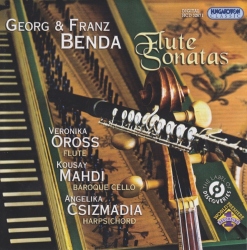
Franz Benda
Sonata for flute & continuo in E minor, L. III-56
Released Album
Recent Album
-
-
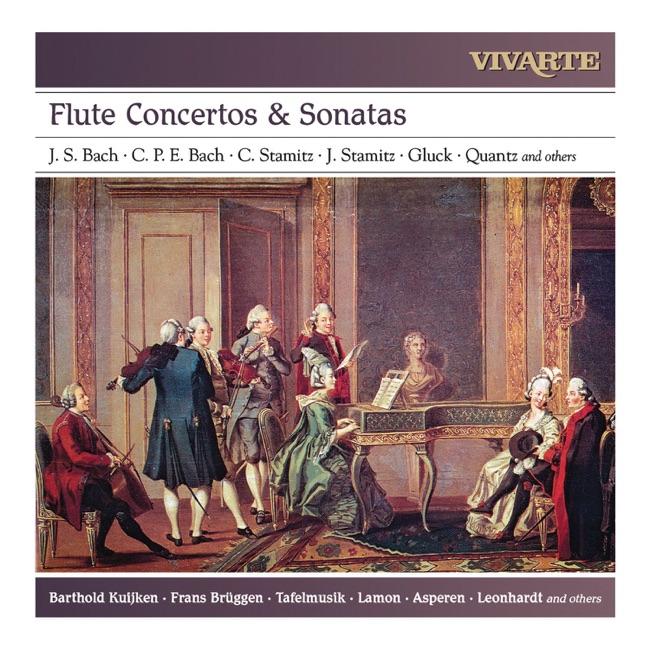 Various ArtistsNovember 27, 2012
 -
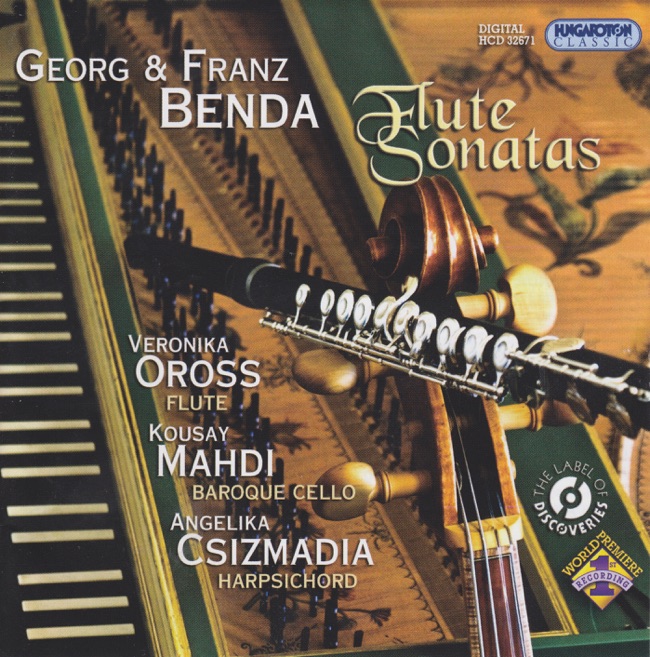
-
Works Info
Composer:Franz BendaGenre:ChamberStyle:Chamber MusicAverage_duration:10:01Movement_count:3Movement ....The Sonata for flute & continuo in E minor, L. III-56, was composed by Franz Benda, a German violinist and composer of the Baroque era. The exact date of composition is unknown, but it is believed to have been written in the mid-18th century. The piece consists of three movements: Adagio, Allegro, and Presto. The first movement, Adagio, is a slow and expressive introduction that sets the mood for the entire piece. The flute and continuo engage in a dialogue, with the flute playing a lyrical melody and the continuo providing a harmonic foundation. The movement is characterized by its use of ornamentation, particularly trills and turns, which add a sense of elegance and refinement to the music. The second movement, Allegro, is a lively and energetic dance in 6/8 time. The flute and continuo engage in a playful and virtuosic dialogue, with each instrument taking turns playing the main melody. The movement is characterized by its use of syncopation, which adds a sense of rhythmic complexity and excitement to the music. The final movement, Presto, is a fast and frenetic dance in 3/8 time. The flute and continuo engage in a lively and virtuosic dialogue, with each instrument playing fast and intricate passages. The movement is characterized by its use of rapid arpeggios and scales, which add a sense of technical difficulty and excitement to the music. Overall, the Sonata for flute & continuo in E minor, L. III-56, is a charming and elegant piece of music that showcases the virtuosity of both the flute and the continuo. Its use of ornamentation, syncopation, and technical flourishes make it a challenging and rewarding piece for performers and a delightful listening experience for audiences.More....
Works Music
Released Music