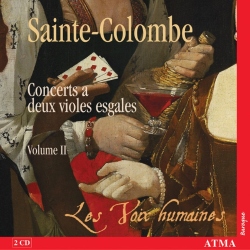
Jean de Sainte-Colombe
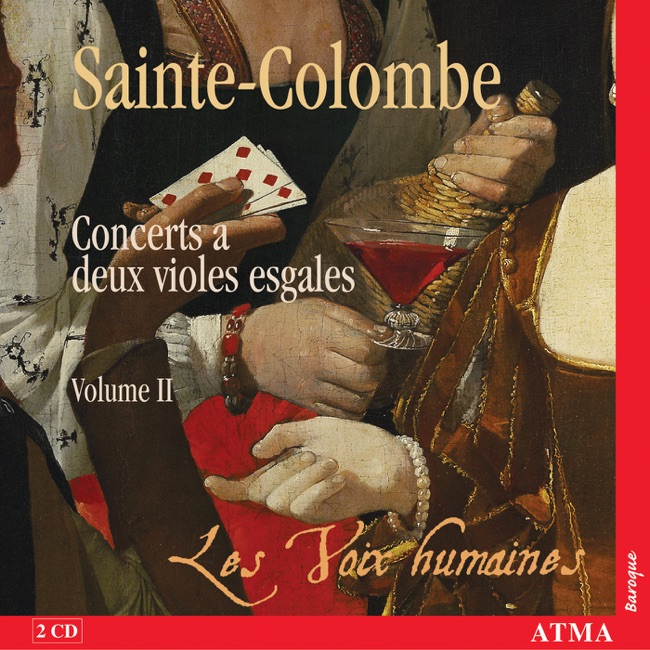
Concert for 2 equal bass viols No. 26 "Le page"
Released Album
Recent Album
Works Info
Composer:Jean de Sainte-ColombeGenre:ChamberStyle:Chamber MusicAverage_duration:6:06Jean de Sainte-Colombe was a French composer and viol player who lived during the Baroque period. He is known for his contributions to the development of the viola da gamba, a stringed instrument that was popular during the 16th and 17th centuries. One of his most famous works is the Concert for 2 equal bass viols No. 26 Le page. The Concert for 2 equal bass viols No. 26 Le page was composed by Jean de Sainte-Colombe in the late 17th century. The exact date of composition is unknown, but it is believed to have been written sometime between 1680 and 1700. The piece was originally written for two bass viols, which are larger versions of the viola da gamba. The Concert for 2 equal bass viols No. 26 Le page is divided into three movements. The first movement is marked "Grave" and is characterized by a slow, mournful melody. The second movement is marked "Allegro" and is more lively and upbeat. The final movement is marked "Sarabande" and is a slow, stately dance. One of the most notable characteristics of the Concert for 2 equal bass viols No. 26 Le page is its use of counterpoint. Counterpoint is a technique in which two or more melodies are played simultaneously, creating a complex and harmonious sound. Sainte-Colombe was known for his skillful use of counterpoint, and this piece is a prime example of his mastery of the technique. Another characteristic of the Concert for 2 equal bass viols No. 26 Le page is its use of ornamentation. Ornamentation is the addition of decorative elements to a melody, such as trills, turns, and grace notes. Sainte-Colombe was known for his use of ornamentation, and this piece is no exception. The ornamentation adds a sense of elegance and sophistication to the music. The Concert for 2 equal bass viols No. 26 Le page premiered during Sainte-Colombe's lifetime, but the exact date and location of the premiere are unknown. However, the piece has since become a staple of the viola da gamba repertoire and is still performed and recorded today. Its haunting melodies, intricate counterpoint, and beautiful ornamentation make it a true masterpiece of Baroque music.More....
Works Music