Sethus Calvisius
Gloria in excelsis Deo
Released Album
Recent Album
Works Info
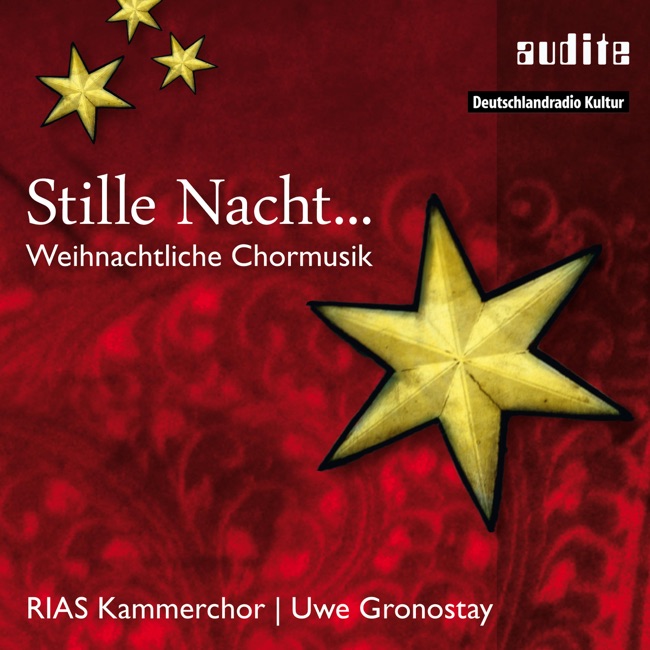
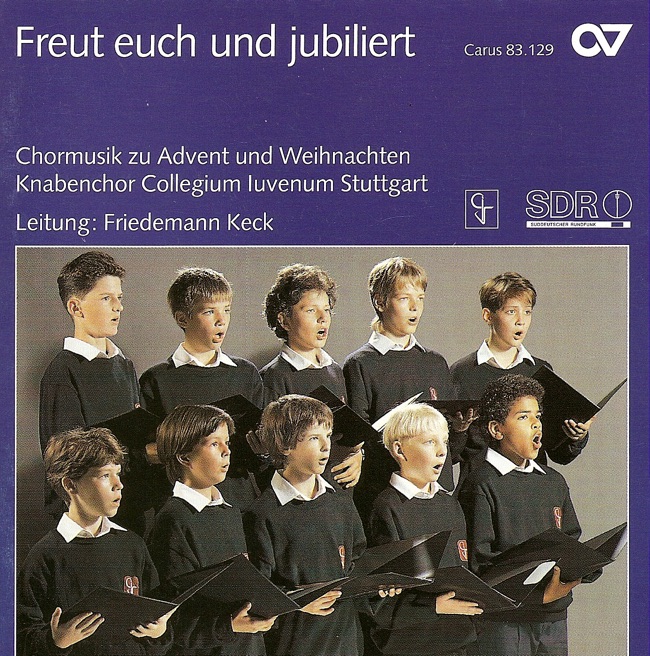
Composer:Sethus CalvisiusGenre:ChoralAverage_duration:1:45Sethus Calvisius was a German composer, music theorist, and astronomer who lived from 1556 to 1615. He is best known for his contributions to music theory, particularly his work on tuning systems and his influential treatise "Melopoeia," which discussed the relationship between music and poetry. One of Calvisius's most famous compositions is his setting of the "Gloria in excelsis Deo," a hymn of praise to God that is traditionally sung during the Christmas season. Calvisius's setting of the Gloria is a choral work that features multiple movements and is characterized by its rich harmonies and intricate counterpoint. The composition of Calvisius's Gloria is not well-documented, but it is believed to have been written in the late 16th or early 17th century. The work was likely composed for use in the Lutheran church, as Calvisius was a devout Lutheran and spent much of his career working in the church. The Gloria is typically performed in three movements, each of which features a different text. The first movement, "Gloria in excelsis Deo," is a joyful hymn of praise that celebrates the birth of Christ. The second movement, "Et in terra pax," is a more subdued section that reflects on the peace that Christ brings to the world. The final movement, "Laudamus te," is a lively and energetic section that features intricate vocal lines and complex harmonies. One of the most notable characteristics of Calvisius's Gloria is its use of polyphony, a technique in which multiple voices sing different melodies simultaneously. Calvisius's use of polyphony creates a rich and complex texture that is both beautiful and challenging to perform. The work also features a number of intricate vocal runs and ornamentations, which add to its complexity and beauty. Overall, Calvisius's Gloria in excelsis Deo is a beautiful and complex choral work that showcases the composer's skill as a musician and his deep devotion to his faith. Its rich harmonies, intricate counterpoint, and use of polyphony make it a challenging but rewarding piece for performers and a joy to listen to for audiences.More....
Works Music