Conlon Nancarrow
Study for two player pianos, No. 41
Released Album
Recent Album
Works Info
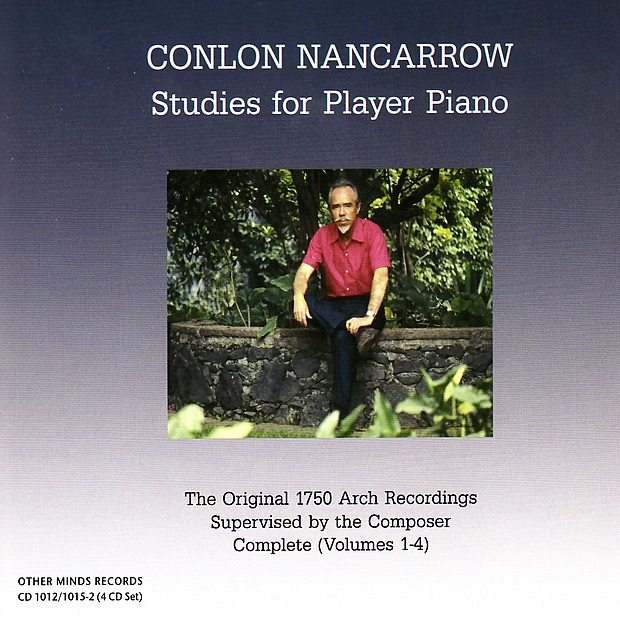
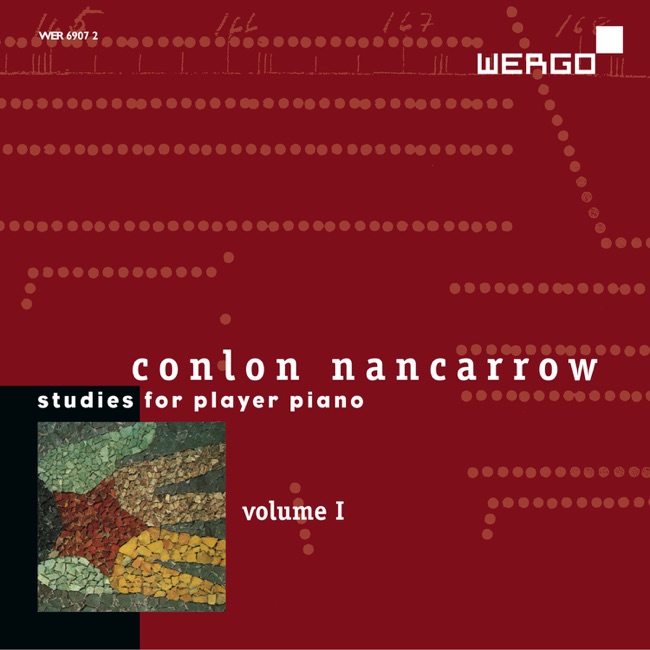
Composer:Conlon NancarrowGenre:KeyboardStyle:EtudeCompose Date:ca. 1969 - 1977Average_duration:22:14Movement_count:3Movement ....Conlon Nancarrow's 'Study for two player pianos, No. 41' is a groundbreaking work of music that was composed in the year 1970. The piece was premiered in the same year in New York City, and it is considered to be one of the most complex and challenging compositions of the 20th century. The 'Study for two player pianos, No. 41' is divided into three movements, each of which is characterized by its own unique style and structure. The first movement is marked by its fast and frenetic pace, with the two pianos playing off of each other in a dizzying display of virtuosity. The second movement is more subdued, with a slower tempo and a more contemplative mood. The final movement is the most complex of the three, with the two pianos engaging in a complex and intricate interplay that requires a high degree of technical skill and precision. One of the most notable characteristics of the 'Study for two player pianos, No. 41' is its use of complex rhythms and polyrhythms. Nancarrow was known for his use of these techniques, which involve the use of multiple rhythms played simultaneously. This creates a sense of complexity and depth that is not often found in traditional Western music. Another characteristic of the piece is its use of dissonance and unconventional harmonies. Nancarrow was known for his experimentation with harmony and tonality, and the 'Study for two player pianos, No. 41' is no exception. The piece features a number of dissonant chords and unconventional harmonies that create a sense of tension and unease. Overall, the 'Study for two player pianos, No. 41' is a challenging and complex work of music that pushes the boundaries of what is possible with the piano. Its use of complex rhythms, unconventional harmonies, and virtuosic playing make it a landmark composition of the 20th century.More....
Works Music
Released Music