Giovanni Gabrieli
Plaudite, psallite, jubilate Deo
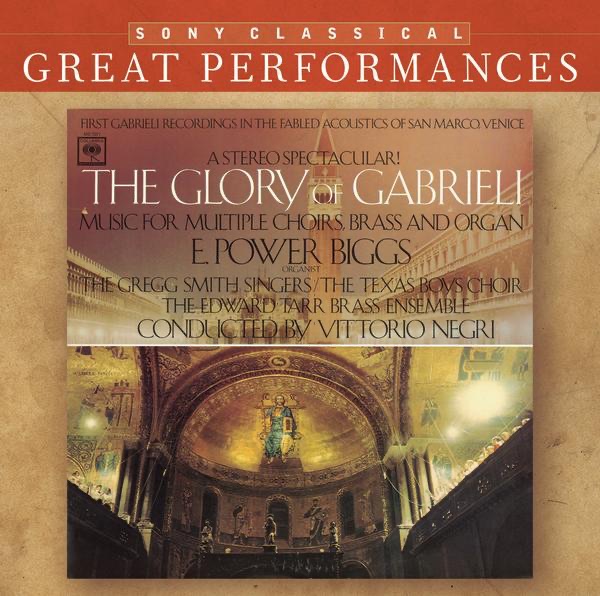
Released Album
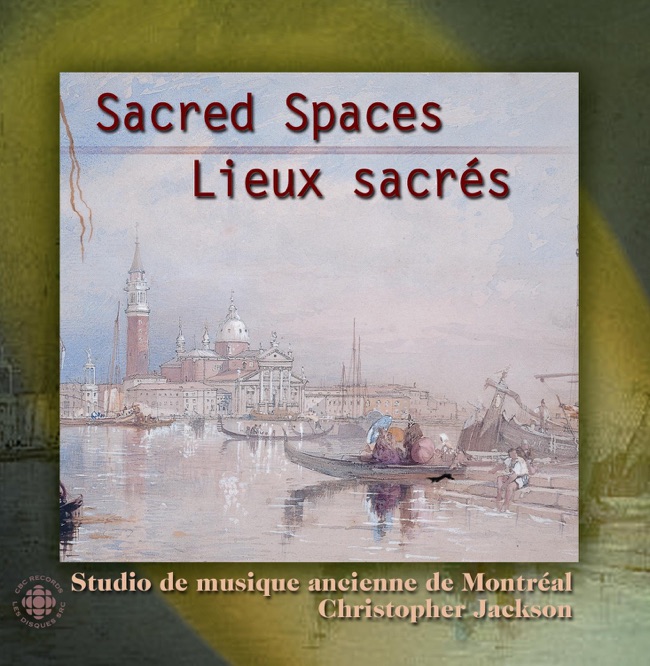
Recent Album
Works Info
Composer:Giovanni GabrieliGenre:ChoralStyle:MotetPublication Date:1597Average_duration:3:23Giovanni Gabrieli's 'Plaudite, psallite, jubilate Deo' is a sacred motet composed for eight voices and basso continuo. It was composed in the late 16th century, around 1597-1598, during Gabrieli's tenure as the principal organist and composer at St. Mark's Basilica in Venice. The piece was likely composed for a special occasion, such as a feast day or a wedding, and was intended to be performed in the basilica's spacious and resonant acoustics. The motet is divided into three movements, each with its own distinct character and musical style. The first movement, 'Plaudite', is a joyful and exuberant fanfare that opens with a series of trumpeting calls from the brass instruments. The choir enters with a lively and rhythmic choral refrain, 'Plaudite, psallite, jubilate Deo', which is repeated throughout the movement. The music is characterized by its bright and festive tone, with lively rhythms, bold harmonies, and virtuosic vocal and instrumental flourishes. The second movement, 'Psallite', is a more contemplative and introspective piece, featuring a solo soprano voice accompanied by a simple and delicate organ accompaniment. The text, taken from Psalm 47, is a meditation on the power and majesty of God, and the music reflects this with its quiet and reverent tone, gentle melodies, and subtle harmonies. The final movement, 'Jubilate Deo', is a triumphant and celebratory piece that brings together all the voices and instruments in a grand and majestic finale. The music is characterized by its rich and complex harmonies, bold and energetic rhythms, and virtuosic vocal and instrumental solos. The text, taken from Psalm 100, is a call to praise and worship God with joy and thanksgiving, and the music reflects this with its exuberant and joyful tone. Overall, 'Plaudite, psallite, jubilate Deo' is a masterful example of Gabrieli's skill as a composer and his ability to create music that is both technically complex and emotionally powerful. The piece showcases his innovative use of multiple choirs and instrumental groups, his mastery of counterpoint and harmony, and his ability to create music that is both grand and intimate, joyful and contemplative. It remains a beloved and frequently performed work in the sacred choral repertoire.More....
Works Music