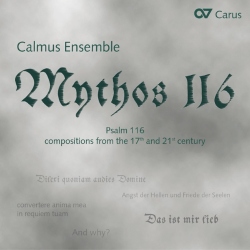
Gregorian Chant
Dilexi quoniam exaudies Domine (Psalm 116, v. 1-5)
Works Info
Composer:Gregorian ChantGenre:ChoralAverage_duration:1:36"Dilexi quoniam exaudies Domine" is a Gregorian chant composed in the 8th century. It is a psalm, specifically Psalm 116, verses 1-5. The chant is typically performed during the Office of the Dead, which is a series of prayers and psalms said for the souls of the deceased. The chant is divided into two movements, with the first movement being the antiphon and the second movement being the psalm verse. The antiphon is a short phrase that is repeated before and after the psalm verse. In this case, the antiphon is "Dilexi quoniam exaudies Domine," which translates to "I have loved, because the Lord will hear the voice of my prayer." The first movement is characterized by a simple melody that is sung in unison by the choir. The melody is based on a mode known as Mode 8, which is characterized by a descending scale pattern. The antiphon is sung twice, with the choir repeating the phrase after the cantor. The second movement is the psalm verse, which is sung by the cantor. The melody for the psalm verse is more elaborate than the antiphon, with the cantor singing a series of melismatic phrases. The psalm verse is also based on Mode 8, but the melody is more varied and expressive than the antiphon. Overall, "Dilexi quoniam exaudies Domine" is a beautiful and contemplative chant that expresses the hope and faith of the faithful in the face of death. Its simple melody and repetitive structure make it easy to sing and remember, while its expressive qualities make it a powerful and moving piece of music.More....
Works Music
Released Music