Charles Avison
Concerto in 4 parts No. 3 in A major, Op. 9/3
Released Album
Recent Album
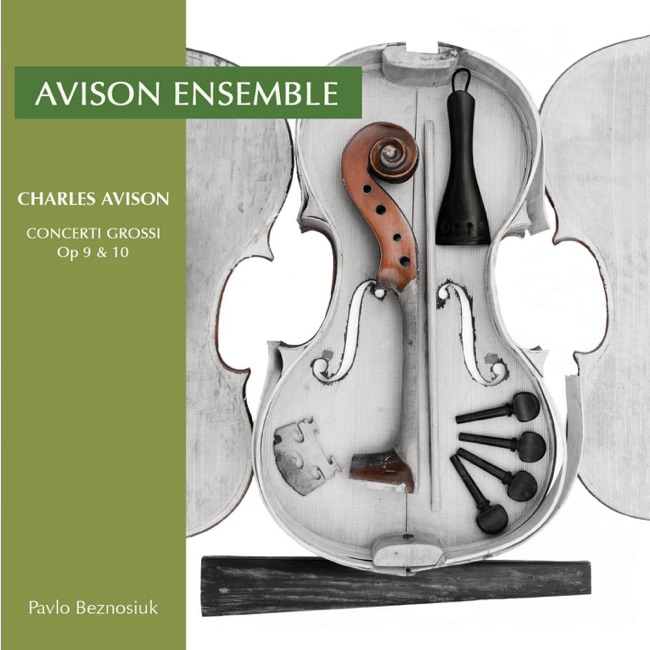
Works Info
Composer:Charles AvisonGenre:ConcertoStyle:ConcertoAverage_duration:7:00The Concerto in 4 parts No. 3 in A major, Op. 9/3, was composed by Charles Avison, an English composer and organist, in the mid-18th century. The concerto was first premiered in Newcastle upon Tyne in 1766, and it is part of a collection of twelve concertos that Avison composed based on the works of Domenico Scarlatti. The concerto is divided into three movements: Allegro, Adagio, and Allegro. The first movement, Allegro, is characterized by its lively and energetic tempo, with a prominent use of the violin and the harpsichord. The second movement, Adagio, is a slow and melancholic piece, with a focus on the strings and the oboe. The final movement, Allegro, is a fast-paced and joyful piece, with a strong emphasis on the harpsichord and the violin. One of the most notable characteristics of Avison's Concerto in 4 parts No. 3 is its use of counterpoint, a technique that involves the interweaving of multiple melodies to create a complex and harmonious sound. Avison's use of counterpoint is particularly evident in the second movement, where the different instruments play off each other to create a rich and layered texture. Another characteristic of Avison's concerto is its adherence to the traditional Baroque structure of the concerto grosso, which features a small group of soloists (in this case, the violin, oboe, and harpsichord) playing in contrast to the larger ensemble. This structure allows for a dynamic interplay between the soloists and the orchestra, creating a sense of tension and release throughout the piece. Overall, Avison's Concerto in 4 parts No. 3 in A major, Op. 9/3, is a masterful example of Baroque music, showcasing the composer's skill in counterpoint and his adherence to traditional concerto grosso structure. Its lively and energetic tempo, melancholic second movement, and joyful final movement make it a timeless piece of classical music that continues to be enjoyed by audiences today.More....
Works Music
Released Music